
Contents
Modern interiors don’t have to look cold, bare, or like nobody actually lives in them. The most inviting contemporary homes usually combine clean lines with comfortable materials, useful storage, and a few personal touches. Instead of filling every room with matching pieces, you can create a more considered look by choosing furniture that works with the way you actually live.
That starts with thinking beyond trends. A beautiful sofa won’t feel like a great choice if it’s uncomfortable, and a stunning dining table won’t get much use if it leaves no room to move around it. When you choose pieces based on your space, habits and personal taste, your home can feel modern without losing its character.
Start With the Way You Use Each Room
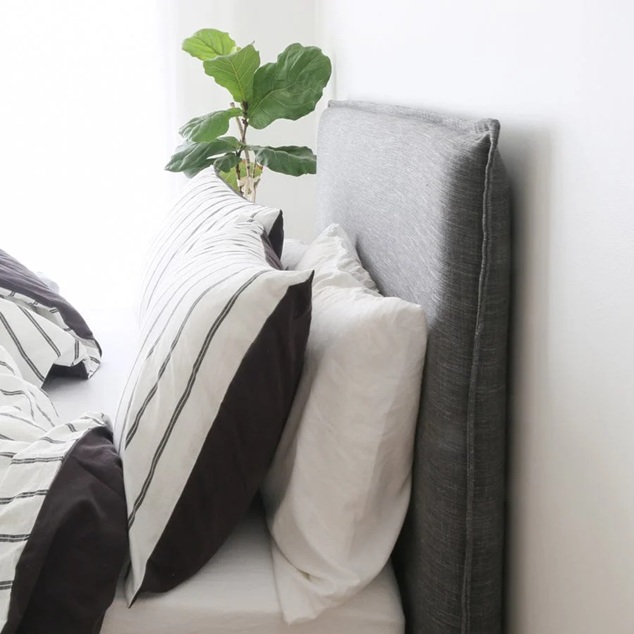
Before you start shopping, think about what actually happens in each room. This sounds obvious, but it’s one of the easiest ways to avoid buying furniture that doesn’t quite work.
When choosing modern house furniture, start with your daily routines rather than a particular trend. Ask yourself what you need the room to do and which pieces will help you do it.
In the Living Room
Do you spend most evenings watching films, reading, entertaining friends or all three? Your answer should influence the sofa, coffee table, lighting and storage you choose.
A deep sofa might be perfect for relaxed evenings, while a more structured design could suit a room that’s frequently used for entertaining. Add a coffee table that leaves enough space to walk around and consider storage for books, games, remotes and the other things that somehow multiply in living rooms.
In the Dining Area
Think about more than the number of people you need to seat. Consider how often you entertain and how much space you have available.
A compact round table can work well in a smaller room, while a longer rectangular table may suit a larger dining area. If you regularly host friends and family, an extendable design can give you extra flexibility without permanently taking up additional floor space.
In the Bedroom
Your bedroom needs to feel restful, so resist the temptation to fill every available corner.
A comfortable bed should take priority, followed by practical storage and bedside furniture. If you have limited space, choose pieces that provide storage without making the room feel crowded.
Mixing Materials, Textures and Shapes
A room can start to feel flat when every piece comes from the same visual family. You can create more interest by combining different materials and textures while keeping the overall look cohesive.
Wood can bring warmth to a room filled with smooth surfaces. Glass can make a piece feel lighter, while metal can add a more structured or industrial touch. Upholstered furniture introduces softness and gives you another opportunity to bring in colour or texture.
You can also play with shapes. A rectangular dining table might look great alongside curved chairs. A straight-lined sofa can work with a rounded coffee table. These small contrasts stop a room from feeling overly coordinated.
Keep a Visual Thread
Mixing doesn’t mean throwing everything together and hoping for the best. Choose a few modern house furniture elements that repeat throughout the room.
For example, you might use:
- Similar wood tones across several pieces
- One metal finish on tables, lighting and accessories
- A consistent colour palette
- Repeated shapes, such as rounded edges
- Similar textures to connect different furniture styles
These details help individual pieces feel like they belong in the same room without making everything look identical.
Choosing Statement Pieces Without Overwhelming the Room
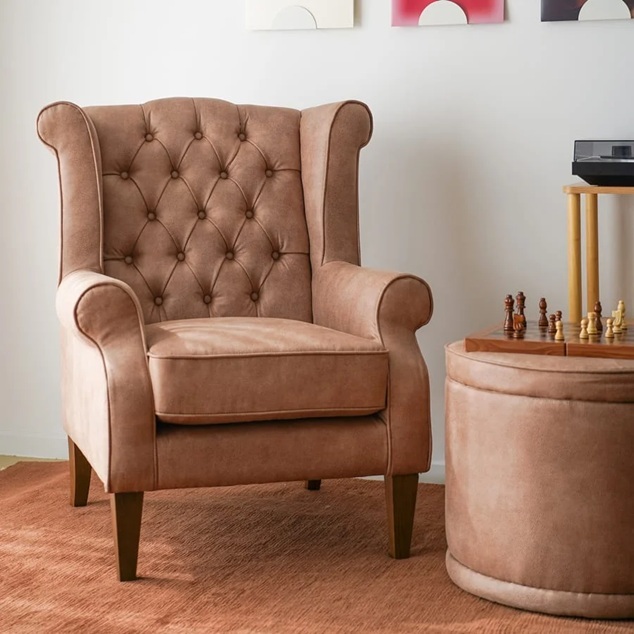
Every room can benefit from a piece that catches your eye. It could be a bold sofa, an unusual armchair, a sculptural dining table or a beautifully designed storage unit. The trick is to give that piece some breathing room.
If you choose a large statement sofa, for example, you don’t need five other dramatic pieces competing with it. Let the sofa do its thing and keep surrounding furniture relatively simple.
The same principle works with colour. A brightly coloured chair can become the focal point of a neutral room, while a striking timber table can provide enough visual interest without needing much else.
Give Furniture Room to Breathe
One of the quickest ways to make a modern room feel cramped is to push too much home furniture into it.
Measure your room before buying anything. Mark out the approximate dimensions of larger pieces with masking tape if you’re unsure how they’ll fit. It might feel slightly ridiculous at first, but it’s much easier than discovering your new sofa blocks half the doorway.
Remember to leave practical walking space around furniture as well. A room should feel easy to move through rather than like an obstacle course.
Think About Your Storage
Storage deserves more attention than it usually gets. Modern interiors often look tidy because the clutter has somewhere to go.
Look for furniture that gives you useful storage without making the room feel heavy. Sideboards, cabinets, shelving, and storage benches can all help keep everyday items organised.
You don’t have to hide everything, either. Open shelving can give you somewhere to display books, artwork, and objects you actually like looking at. Combine it with closed storage for things you’d rather keep out of sight.
This balance makes home furniture feel more purposeful because every piece has a job while still contributing to the overall appearance of the room.





Comments are closed.