
Contents
Your health is more than just the numbers assigned during a scheduled checkup, especially when the most important health indicators in your body are constantly fluctuating. Your blood pressure changes throughout the day. Factors such as stress, diet, exercise, and sleep can affect your blood pressure in ways you may not even realise.
Regular blood pressure monitoring can help you understand your body, how your daily habits affect it, and what you can do to lead a healthier life. For people who want to be informed about their body’s most important numbers, home blood pressure machines are real lifesavers.
They are accurate, helpful, and incredibly easy to work with, making them a useful tool for daily checkups or emergencies. Let’s see some ways you can stay on top of your health by purchasing user-friendly blood pressure monitors for sale.
What Is a Home Blood Pressure Monitor?
With every heartbeat, a significant amount of blood is pumped to and from the heart. The term blood pressure refers to the force exerted by your blood against the walls of your arteries as your heart pumps. You might be wondering: why is it important to know the pressure at which blood flows through the arteries?
There is a reason why certain numbers on a blood pressure monitor are considered “normal.” Long-term abnormal blood pressure can increase the risk of heart-related problems, vision issues, dizziness, weakness, kidney disease, and countless other health complications.
A home blood pressure monitor, or blood pressure machine, is a simple device made to help you monitor your blood pressure from the comfort of your home. These machines feature an arm cuff that wraps around your arm and temporarily restricts blood flow. The machine can provide an accurate reading. Depending on the type of monitor, there may be a digital screen that displays your reading, or an aneroid monitor, which closely resembles a clock and must be read manually.
No matter which type of blood pressure monitor you use, whether it is a classic manual version or a modern digital device, both can be effective ways to measure your blood pressure at home. Having one available may help you recognise a potentially serious health issue and seek medical attention when necessary.
Why Home Blood Pressure Monitoring Matters
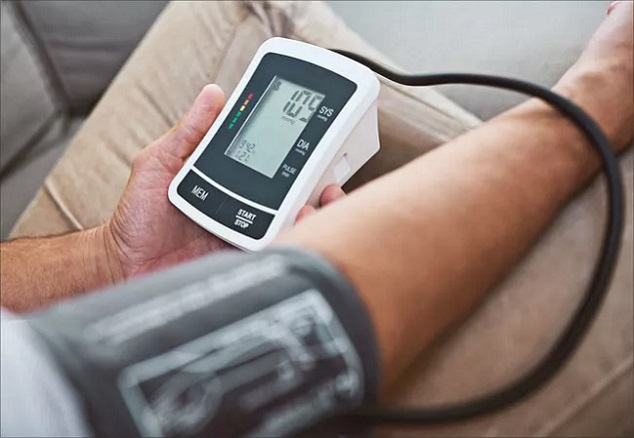
You might be surprised to learn that those two little numbers on your blood pressure monitor can have a significant impact on your health. It can be difficult to understand what’s going on when you’re feeling unwell, especially since most medical tests require a doctor’s visit. Abnormal blood pressure is one of the most common indicators that something may be wrong in your body. The good news is that you can monitor your blood pressure from the comfort of your own home.
Here are some potentially life-saving benefits of having a blood pressure monitor at home.
Gives You a Clear Idea of Your Average Blood Pressure
Although blood pressure naturally fluctuates depending on various factors, most people still have a typical or “usual” blood pressure range.
If you have your blood pressure measured only occasionally at a doctor’s office, the readings may not accurately reflect your normal resting blood pressure. Stress, caffeine, lack of sleep, and even your daily meals can affect your blood pressure.
This is why regular home monitoring can be important. By checking your blood pressure consistently, you can get a clearer picture of your usual readings. That way, if you notice a significant change, you’ll be more likely to recognise that something may be different.
Helps Evaluate Your Treatment
Managing high blood pressure can be challenging, even when you’re taking medication. Sometimes a medication may not be working as expected, while other factors, such as diet and lifestyle, may also affect your readings.
One of the easiest ways to see whether your treatment is working is to monitor your blood pressure regularly at home.
You can record your readings throughout the week and share them with your doctor. This can help your physician understand how you’re responding to your medication and whether any adjustments may be necessary. Keeping a record can also make your appointments more efficient and informative.
Helps Determine If Your Blood Pressure Is Low
You’ll often read about the dangers of high blood pressure, but low blood pressure can also cause problems and should not be overlooked.
Low blood pressure can sometimes be associated with symptoms such as dizziness, fatigue, weakness, and headaches. A blood pressure monitor can help you identify whether your readings are lower than usual.
If you’re feeling more tired or weak than normal, checking your blood pressure may provide useful information about what could be contributing to your symptoms. However, persistent or severe symptoms should always be discussed with a healthcare professional.
How to Use a Blood Pressure Monitor Correctly
Learning how to use your new blood pressure device can be tricky. Unfortunately, not every device works the same way, and some require a little more time to get used to.
First, if you’re tracking your blood pressure over a period of time, measure it at the same time every day.
Now that that’s out of the way, here’s what you need to do:
Rest Before Measuring
To ensure an accurate blood pressure reading, you need to take a few precautions. Don’t drink, eat, smoke, or exercise for at least 30 minutes before measuring your blood pressure. Sit still for about 5 minutes before measuring to reduce stress and promote good circulation in your limbs.
A common mistake people make when measuring their blood pressure is not paying attention to the conditions in which they take the measurement. Your blood pressure may naturally be higher after drinking a cup of coffee or when you’re stressed. That doesn’t necessarily mean something is wrong; it may simply mean that you measured your blood pressure under less-than-ideal conditions.
Set Up
Sit correctly and avoid speaking while the device measures your blood pressure.
In practice, blood pressure can be measured on either arm. However, readings can vary between the two arms. You should ask your doctor which arm is best for you to use when monitoring your blood pressure and consistently use that arm.
Fasten the arm cuff around your upper arm, just above your elbow. Make sure it’s on bare skin, without clothing that could restrict circulation. The air tube connected to the inflatable cuff should be positioned along the inside of your arm, according to the monitor manufacturer’s instructions.
Read It Right
Depending on the type of monitor you’re using, you’ll need to learn how to interpret the results. Digital monitors display your blood pressure as numbers on a screen, making them relatively straightforward to read. However, with a manual monitor, you’ll need to learn how to read the results from an aneroid gauge, which can be more difficult for beginners.
Closing Thoughts
To conclude, blood pressure monitors are simple yet incredibly useful tools to have at home. They are affordable, and you can find a wide range of high-quality blood pressure monitors for sale if you’re concerned about price.
Although monitors can vary across different brands, most follow a similar design and are easy to learn how to use. They can be used by people of all ages and provide convenient readings that can help you keep track of your blood pressure from the comfort of your home.
Put your health first by investing in a reliable blood pressure monitor. With regular monitoring and proper use, these devices can make it easier to keep track of your blood pressure and stay informed about your health.




Comments are closed.