
Contents
Like it or not, packaging plays a huge role in our societies considering it serves to protect goods right after manufacture, all the way through transport, storage, and delivery. The problem arises when we consider the waste it results in. According to the governmental website of Sustainability Victoria, Australians make up packaging waste of about 1.9 million tonnes annually.
While the solution doesn’t lie in making a drastic decision and move, like giving up packaging altogether, the answer is in the choice of the packaging itself. As of recently, most of it was made from plastic, which further contributed to this man-made material getting a bad reputation.
What Are the Benefits of Plastic Packaging?

If we consider some of the benefits it’s provided us with over the years, including ductility, stiffness, thermal insulation and lightweight properties compared to alternatives like paperboard, glass, metals, and textiles, it’s not all as bad as it seems. It’s also great in terms of affordability, versatility, and high strength-to-weight ratio.
If you have a business that focuses on manufacturing, storing in a warehouse or store, and transporting goods, then you know how crucial this packaging is for the daily needs of your company. Instead of trying to avoid waste at all costs, the best course of action is to make sure the type of waste you end up with is with lesser environmental impact. Some ways you can do this are by:
Investing in Biodegradable Alternatives
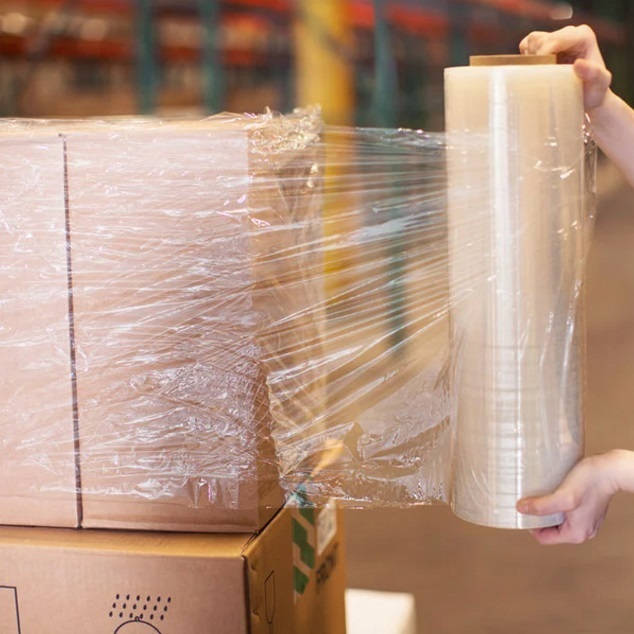
This is a great strategy that’s going to help you cut down on the harmful waste responsible for polluting the planet, and as a result benefit from an increase in clients who appreciate the efforts in sustainability and green practices you implement. Whether you require covers for items in different shapes and sizes, carry bags, or stretch-wrap film, there’s eco-friendly and biodegradable plastic packaging you can choose from.
In addition to breaking down easily thanks to natural microorganisms without the need to burn them and create pollution, they lead to less carbon emission and a lower carbon footprint. Further on, they can be reused and repurposed. As there are advancements in technology and production, you can now find such packaging in a range of options, differing in sizes, types like hand and machine versions, as well as prices.
Choosing Durable Samples
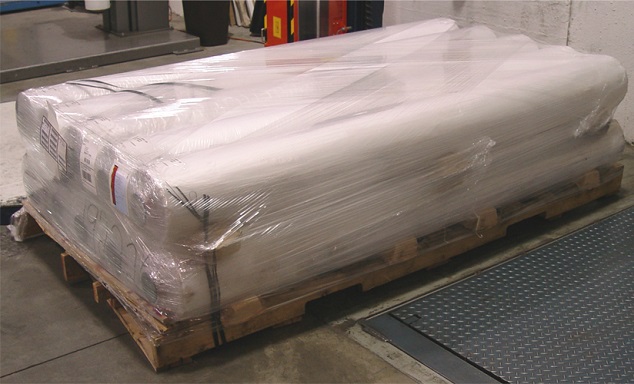
Durability is a feature that truly comes to shine especially when we think of packaging because it can mean the difference between products that are readily disposable and those that you can utilise several times. Take heavy-duty polyethene plastic packaging as an example; it’s available in a range of forms and designs, from durable heat seals to press-seal bags fit for lots of products.
When you store and transport goods in such packages, you ensure they will stay protected from dust, debris, as well as external impact. Some types of stretch film and shrink film in a range of widths and diameters, and different bags, can take this a step further by protecting the goods from damaging UV rays, especially when exposed to direct sunlight during longer periods. And with some of these packages, you can use and reuse them for various shelf products so you can both cut down on the waste and the cost of acquiring new wrapping.
Adopting Mindful Habits and Practices

You don’t have to be too eco-conscious to know the importance of recycling and how great of a result it could have on society when you implement it in the business. This could further inspire others, whether it’s competition or clients, leaving an even bigger impact on the community.
It’s a positive experience altogether especially if we consider Australia’s stagnant recycling rate at only 60%. This habit is easy to adopt by choosing stretch wrap and covers, plus all sorts of bags, made from plastic that is recyclable. Another mindful practice would be to reduce the use of packaging where possible, or if not, replace them with some more sustainable materials like paper, recycled cardboard, and biodegradable peanuts among others.
Also, be mindful of how much packaging you use per product. Most often, when you do it by hand, you end up spending more than you initially planned, and you get items that have more plastic on them than necessary. If you want to make precise cuts, when you can, it’s best to let machinery take over. This is something that’s going to increase the productivity of your company, as the cutting is quick and precise, and at the same time, it can significantly lower the waste you create.
There’s even one extra benefit you might not have thought of, and that is the reduction in the cost of acquiring packaging. When you count on precision for the wrapping and cutting, you’d be able to save up on the wrap films, covers, and bags much more than when you’d be doing everything manually.





Comments are closed.