
Contents
Gold prospecting is a rewarding hobby, but it’s not just about wandering into the bush with a detector and good intentions. Success often comes down to preparation and picking the right equipment. One piece of gear that makes a huge difference is the detector coil. It’s the part of your detector that searches the ground, listens for signals, and ultimately helps you uncover gold. Without the right coil, even the best detector can miss valuable targets.
What Are Nugget Finder Coils?
A search coil is the circular or elliptical attachment at the end of your metal detector shaft. It works by sending an electromagnetic field into the ground. When metal disrupts this field, the detector alerts you with a signal. Without the coil, your detector would have no way of sensing anything underground.
Nugget Finder is a respected Australian brand that manufactures aftermarket coils designed specifically for gold prospecting. They’re known for their reliability and sensitivity, especially in mineralised Australian soils. Many prospectors choose them because they offer sturdy build quality, great depth, and impressive ability to pick up small gold.
If you’re thinking of upgrading, browsing through nugget finder coils for sale is a good way to explore the different options and find something that suits your detecting environment.
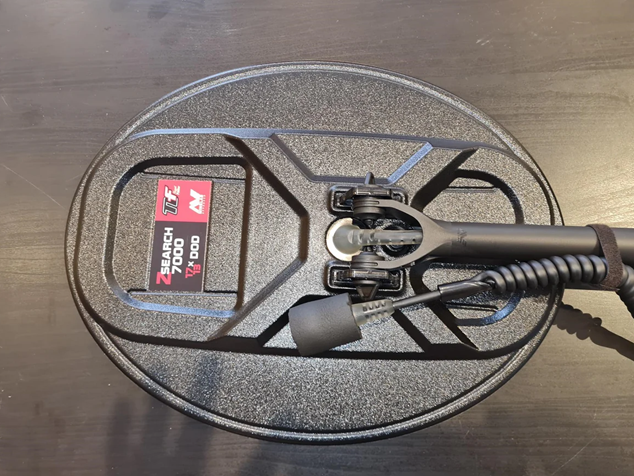
What Are the Different Types of Finder Coils?
If you’ve seen the wide range of nugget finder coils available, you’ll know how many choices there are. But it’s actually quite straightforward once you know what each type does. The three main styles you’ll encounter when searching for finder coils for your machine are:
Mono Coils (Monoloop)
Mono coils use a single winding for both transmitting and receiving signals. This gives them excellent depth and strong sensitivity to small gold. They can, however, be reactive in heavily mineralised ground. If the soil is fairly quiet, a mono coil can reach deeper nuggets than other types and pick up very fine pieces of gold.
Double-D (DD) Coils
A DD coil has two overlapping D-shaped windings. This design helps it run more smoothly in mineralised ground, which is common in many Australian goldfields. A DD coil usually gives a more stable signal and reduces false noises caused by minerals in the soil. It is slightly less sensitive to tiny gold than a mono coil, but it performs better in difficult ground conditions.
Concentric Coils
These coils have one winding inside another. They’re accurate when pinpointing targets and work well in mild soil. However, they don’t handle strong mineralisation very well. Because of this, they’re less popular for gold prospecting and more commonly used in coin or relic detecting.
Each coil type has its place, and most seasoned detectorists carry more than one to handle different environments and conditions.
Coil Size and Shape
Coil size has a huge impact on your detecting experience. Bigger isn’t automatically better, and neither is smaller. Each size has strengths and drawbacks.
- Small Coils (6–11 inches)
Ideal for tight, scrubby terrain and highly mineralised soils, small coils are light, manoeuvrable, and incredibly sensitive to small nuggets. They excel when you’re chasing “specks and crumbs” that larger coils might miss. - Medium Coils (12–17 inches)
The versatile middle ground. Medium coils offer a solid balance between sensitivity and depth, making them a reliable choice for general-purpose detecting. - Large Coils (18 inches and above)
If you’re hunting in wide, open areas where big nuggets might lurk deep underground, a large coil is your best bet. The trade-off? They’re heavier, less sensitive to tiny gold, and can be tricky in tight or rocky ground.
Shape also matters: round coils typically give you greater depth, while elliptical coils are easier to manoeuvre in difficult terrain and provide better ground coverage. The good news is, with the wide range of nugget finder coils for sale online, you can mix and match until you find your perfect balance.
Terrain and Ground Mineralisation
Some gold fields are serene and sandy, while others are chock-full of mineralised rocks that can make a detector squeal like a kookaburra at dawn. Understanding how ground conditions affect your coil choice is key to successful prospecting.
- Highly Mineralised Ground: This type of ground can make a detector feel unstable. A DD coil usually performs best here. Its design helps it remain steady and reduces noisy interference.
- Mildly Mineralised or Quiet Ground: This is where mono coils shine. Their superior depth and sensitivity allow you to detect even the smallest nuggets buried deep beneath the surface.
- Rocky or Uneven Terrain: Smaller or elliptical coils make manoeuvring easier and reduce the risk of knocking your coil against rocks or scrub.
- Flat Open Country: Large coils are perfect here as their wide detection field covers more ground, increasing your chances of finding those elusive big nuggets.
The ground dictates the gear, so adjust your coil selection to the conditions, and you’ll dramatically improve your results.
How to Match the Coil to Your Detector
Matching your coil to your detector is all about compatibility and comfort. The first thing to check is whether the coil is designed for your detector model, as coils are often made with specific machines in mind. Your detector will also run on either PI or VLF technology, so the coil needs to match that system to work properly.
Weight is another important factor because a large coil can pull the detector forward and make long detecting sessions tiring. Waterproofing matters too, especially if you often explore creeks or damp ground, since some coils are fully waterproof while others can only tolerate light moisture.
It’s also worth checking that the connector style on the coil matches your detector’s socket so everything fits securely. Once you’ve chosen a compatible coil, give yourself time to test it and fine-tune the detector settings, as small adjustments in sensitivity or ground balance can make a noticeable difference in performance.


Comments are closed.