
Contents
Starting martial arts is exciting, but figuring out which protective equipment you need can be a little overwhelming. With so many options, from head guards and gloves to shin protection and body padding, it’s easy to wonder what each piece is for and whether it belongs in your kit. The right equipment makes practice safer while still allowing young martial artists to move naturally and work on their techniques. Whether your child is trying karate for the first time, learning taekwondo, or beginning supervised light-contact sparring, understanding the basics can make choosing their gear much simpler.
Children need to be able to move naturally during training without equipment rubbing, pinching, or feeling unnecessarily heavy. That’s why you should look for comfortable youth sparring gear that fits securely without being overly restrictive. Headgear, gloves, shin protection, and other required equipment should stay comfortably in place while allowing a young martial artist to move freely. Breathable materials help kids feel more comfortable as training gets more demanding. Comfort can also make children more confident about participating. When their gear feels right, they can concentrate on learning, practising techniques, and enjoying their training. Keep reading to discover the main types of sparring equipment, what each is designed to protect, and look at the key things to consider when choosing suitable gear.
What Does Sparring Gear Include?
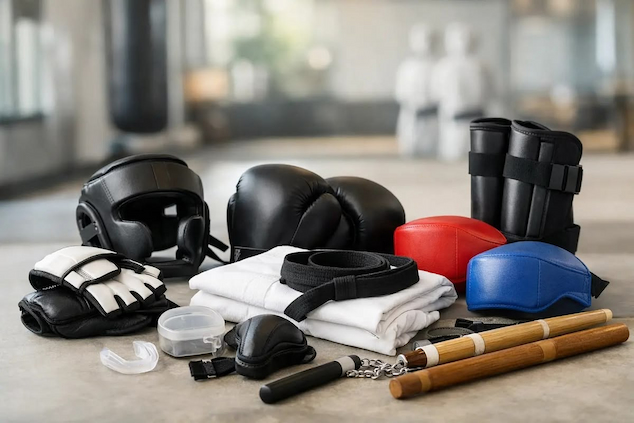
The exact youth fight gear a young martial artist needs can vary depending on their school, age, discipline, and training. However, there are a few common pieces that are often used during beginner sparring sessions:
- Headgear: Helps provide cushioning around the head and face during controlled practice.
- Hand and foot guards: Add padding to the areas used for strikes, helping make contact more manageable.
- Shin and forearm guards: Offer extra coverage when blocking kicks or during accidental contact.
- Mouthguard: Helps protect the mouth during training and unexpected contact.
- Chest protector: Often used by younger students or in disciplines such as taekwondo to provide additional body coverage.
Not every child will need every piece, so check with their instructor before buying anything. Schools may have specific requirements regarding the type, colour, or fit of equipment. Once you know what’s needed, choosing suitable protective gear becomes much simpler.
Is All That Gear Necessary?
Not necessarily. There’s no need to buy an entire collection of youth sparring gear before your child has even started training. Beginners will often start with a few essentials, while additional pieces can be introduced as their skills develop or their instructor recommends. For early sessions, basic protection may be enough for light, controlled practice. As children become more experienced or begin preparing for competitions, their school may ask them to add items such as head protection, shin guards, or a chest protector.
Buying a complete set can be a convenient option if you already know what the school requires, as everything is designed to work together. However, the safest way to decide what your child needs is to speak with their instructor first. Requirements can vary between martial arts schools, so checking beforehand can save you from buying equipment that isn’t suitable or won’t be needed.
Essential Protective Gear
When children begin sparring, protecting the body is just as important as covering the hands and head. The right equipment can help cushion accidental contact while allowing them to move comfortably and concentrate on learning. Some of the key pieces include:
-Chest protector: Helps shield the torso during controlled kicks and strikes and may be required by certain schools or competitions.
-Shin guards: Add padding when children block or check kicks, helping reduce discomfort from accidental contact.
-Forearm guards: Offer extra protection when practising blocks or defending against kicks and punches.
-Lightweight padding: Softer options can be useful for drills where flexibility and freedom of movement are especially important.
Foam vs Cloth Equipment
When choosing youth martial arts sparring gear, you’ll often come across foam and cloth options. While both can be useful for training, they offer a noticeably different experience. Foam options tend to be thicker and more structured, giving them greater cushioning contact. This makes them a common choice for younger students and classes where controlled strikes are part of the session. Cloth alternatives are generally lighter and more flexible, with a soft fabric exterior that can feel less bulky during movement. They can be particularly useful for technique-focused drills where freedom of movement is a priority.
So, which should you choose? It depends on what your child’s instructor recommends and the type of training they do. Foam may be preferable when more cushioning is needed, while cloth can be a comfortable choice for lighter practice. Always follow your school’s equipment requirements rather than choosing based on material alone.
Karate vs Taekwondo Equipment
Karate and taekwondo childrens sparring gear can appear almost identical at first, but the two disciplines have different requirements. Karate typically uses lighter padding for young students to move quickly and practise controlled techniques. Gloves, foot protection and, depending on the school, head protection are common choices.
Taekwondo places more emphasis on protecting the torso because kicking is such a major part of the sport. Children therefore often use a chest protector alongside headgear, shin protection and foot guards, particularly during competition.
The exact requirements can also vary between clubs and organisations. Some competitions have strict rules about approved equipment, colours and styles, so it’s worth checking with the instructor before making a purchase. Whichever martial art your child practises, the right protective equipment should support safe, comfortable training without getting in the way of movement.





Comments are closed.