
Playtime is more than just having fun; it is one of the most effective ways children learn. Playtime helps children develop creativity, problem-solving skills, and social skills, all while having fun. By selecting educational games, parents and teachers can ensure that playtime also helps children develop important skills for school. There are endless ways to combine learning and having fun in games such as spelling, maths, music, and construction.
Spelling Games
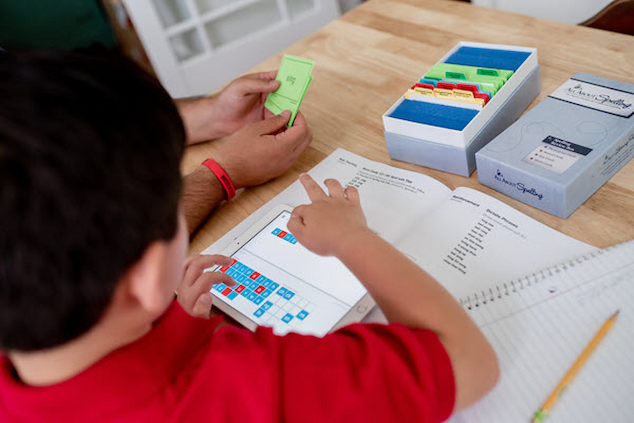
One of the key skills to literacy is spelling, and helping children grasp the concept of spelling at a young age is a huge advantage for their self-confidence and communication skills. Spelling games for education are ideal for both home and educational settings, as they take a potentially boring task and turn it into a fun activity.
At the most basic level,a good and engaging spelling game could be as simple as a letter match or a word puzzle. This is particularly useful for young children to begin to grasp the concept of letters, phonetics, and words. However, as the child becomes more proficient, the games could be made more challenging, such as with silent letters, tricky spellings, or longer words.
One of the greatest advantages of spelling games is that they help children learn actively. This means that instead of memorising words, children are actively involved with letters and sounds, which helps create stronger connections in their memory, making it easier to recall words later on. Another advantage of spelling games is that they encourage children to repeat words without getting bored, as they play games.
Spelling games also help children with phonics, which is an extremely important skill for children to master, especially for reading. By matching sounds with letters, children are able to understand the structure of words, which will help them with both spelling and reading.
Another advantage is that the games are adaptable. The games can be played by one person, two people, or a group of people. This makes the games very useful for different learning environments. In a classroom setting, the games are a great way of promoting teamwork and competition. At home, games are a great way of bonding between parents and children. A spelling game provides children with the tools they need to be successful readers and writers.
Puzzles
Puzzles are a classic educational tool that will never be out of style. They are useful for developing problem-solving skills, patience, and spatial thinking in children. It does not matter whether it is a jigsaw puzzle, word search, or logic puzzle, as children are challenged to think critically and solve the puzzle until they find the solution. Puzzles are also useful for developing fine motor skills as children try to fit the pieces of puzzles together.
Brain teasers are an excellent tool for developing creative thinking skills in children. Riddles, logic puzzles, and memory games are useful for challenging children to think creatively, as they are required to look for different solutions to the puzzle. Brain teasers are useful for developing resilience, as children are able to learn that it is okay to struggle sometimes before they find the solution to the puzzle. Brain teasers are also useful for developing concentration skills, which are useful for children as they are essential for both school and everyday life.
Construction Toys
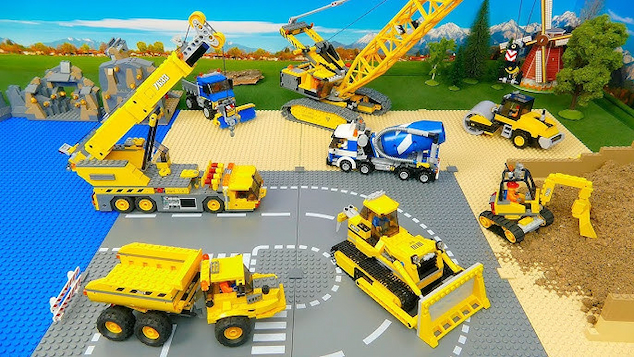
Building blocks, LEGO sets, and similar construction toys are more than just a means of having fun; they’re a way of learning engineering and design skills. When a child plays with these blocks and builds something, they’re learning about balance and structure and how to be creative. Construction toys provide a child with the opportunity to be creative and use their imagination as they build their own creations. These toys also provide a child with a problem-solving experience as they learn to fix things that don’t quite work.
Math Games
Math is a scary thing for a lot of people, but it doesn’t have to be. By turning it into a game, it becomes a much more accessible and enjoyable activity for a child to participate in. There are a variety of different math games that a child can play, from board games that involve counting to computer games that provide a child with a challenge as they’re faced with equations to solve. These games provide a child with a means of learning their numbers, addition, subtraction, and even fractions and multiplication. It helps a child see math as a fun and exciting thing, not scary and intimidating.
Musical Toys
Music has proved to be a significant tool for educational purposes, with musical toys providing kids of different ages with an opportunity to engage with it. Musical tools such as xylophones, drums, or keyboards, as well as musical toys, help kids learn about rhythm and melody. Musical toys, on the other hand, help kids learn about pitch and sound. Playing with musical toys enhances a child’s listening, memory, and motor coordination abilities.
Learning games demonstrate that learning can be fun. Spelling games develop literacy skills, puzzles and brain teasers improve problem-solving skills, construction toys foster creativity, math games make math fun, and musical toys promote self-expression. Learning games demonstrate that learning can be an entertaining experience.


Comments are closed.