
Contents
Moving heavy steel objects can turn a simple lifting job into a slow, awkward and demanding task. That’s where magnetic lifters come in. These compact lifting tools use magnetic force to grip ferrous materials, allowing operators to lift, move and position metal loads without chains, hooks or slings wrapped around the object. But how does that magnetic hold actually work, and how much weight can one lifter handle? Understanding the technology, lifting capacity, and operating principles of different types can help you choose the right tool for the job.
Choosing the Right Type
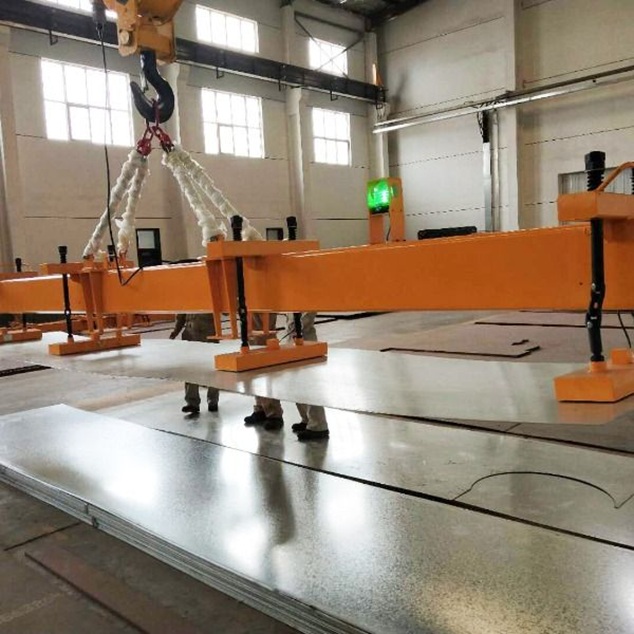
Lift heavy loads without the heavy hassle with a strong and secure magnetic lifter. Choosing the one you need, however, starts with understanding the lifting work you need to handle. From compact options for lighter workshop jobs to heavy-duty lifters for moving substantial steel loads, each type has a different place in material handling.
Permanent Lifting Choices
Permanent magnetic lifters are one of the most common types for lifting and moving ferrous materials. They are designed for everyday material-handling applications where a dependable magnetic grip is needed without relying on an electrical power source. They can be used for steel plates, blocks, pipes and other metal components in workshops, warehouses and industrial environments. Different versions are available for lighter and heavier lifting requirements, making this a versatile category for general-purpose use.
Heavy-Duty Varieties
When the job involves particularly heavy steel components, a heavy-duty magnetic lifter for sale is the more appropriate choice. It is designed specifically for demanding industrial lifting applications, where substantial metal loads need to be moved using magnetic force. The heavy-duty varieties are commonly suited to handling larger plates, steel sections and other heavy ferrous materials. Rather than using a smaller general-purpose lifter beyond its intended application, choosing a heavy-duty type provides a more suitable solution for larger loads.
Magnetic Lifters for Round Materials
Not every load has a flat surface. Some magnetic lifters are designed with applications for round steel bars, pipes and cylindrical components in mind. Their design makes them better suited to handling materials for which conventional flat-load lifting arrangements may be less ideal. If your work regularly involves cylindrical or curved steel objects, consider this type of lifting.
Compact Lifting Solutions
For lighter jobs, compact magnetic lifters are a practical option without the need for equipment intended for much larger loads. They can be useful in smaller workshops, fabrication environments and general handling tasks involving lighter steel components. Their smaller format makes them particularly appropriate when portability and easy handling are priorities.
The best magnetic lifter for the job ultimately depends on what you are lifting. Consider whether your work involves flat plates, round materials, lighter components or substantial industrial loads. By matching the lifter type to the material and application, you can avoid paying for unnecessarily heavy-duty while ensuring you have the right solution for the work at hand.
Safety Comes First
When you are lifting heavy steel, the magnetic grip is only part of the equation. The right safety features and supporting mechanisms can provide additional control during lifting, positioning and release. One important feature to look for is a safety locking mechanism, which helps prevent the operating lever from accidentally moving out of position while a load is suspended.
A safety factor is another important consideration. Magnetic lifters are typically designed with a rated capacity that incorporates a margin between the working load limit and the point at which the magnetic holding force could fail. This provides an additional level of protection when the equipment is used according to its specifications.
Some models also include lifting eyes or hooks designed to provide a secure connection point for cranes, hoists or other lifting equipment. A clearly marked ON/OFF lever can make engaging and releasing the magnetic force more controlled, while protective features around the mechanism can help reduce the likelihood of accidental operation.
It is equally important to check features such as load indicators, locking pins and safety latches, where provided. These additions can make the lifting process easier to monitor and control. Most importantly, never exceed the stated working load limit, and always inspect the lifter and load-contact surface before use.
Getting More from Your Magnetic Lifter
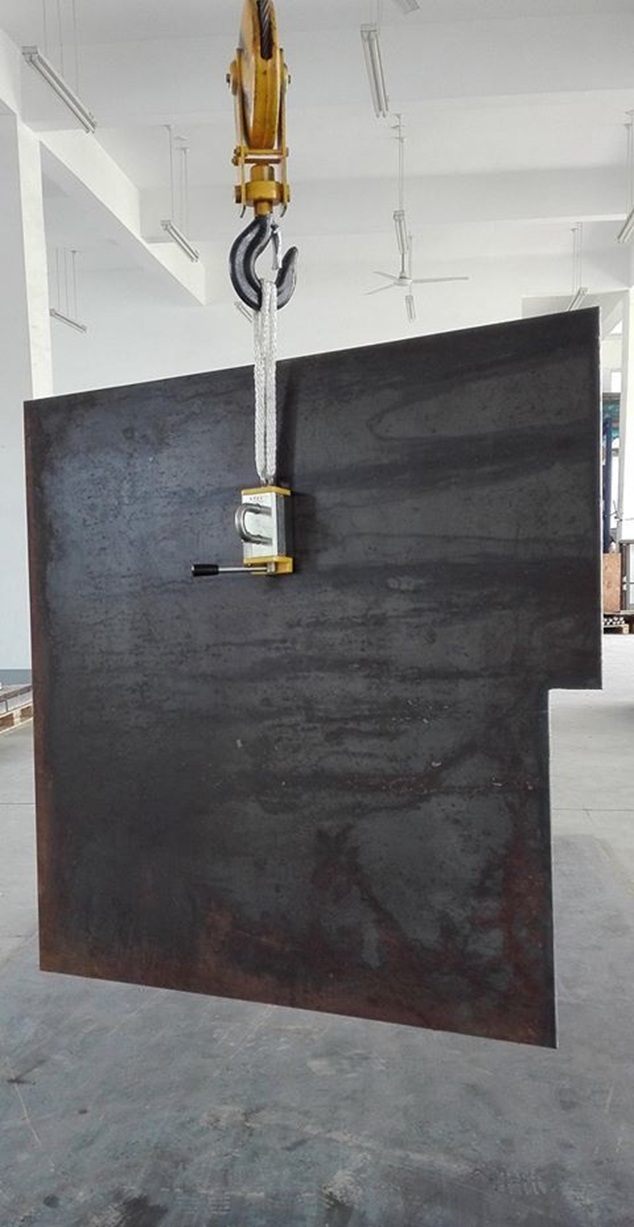
Magnetic lifters can do more than pick up a steel load. The right features can make everyday handling more convenient, controlled and adaptable to different lifting situations. Swivel lifting eyes, for example, can provide greater flexibility when connecting the lifter to a crane or hoist, while a robust lifting eye can make attachment straightforward.
For repetitive work, a quick-release mechanism can speed up attaching and releasing loads, helping operators move between tasks more efficiently. Some designs also incorporate ergonomic handles or levers, making the magnetic mechanism easier to operate without unnecessary effort.
Another useful feature is a protective rubber coating or contact surface, which can help improve contact with the load while reducing the likelihood of scratching or marking finished metal surfaces. Load indicators can also provide a quick visual reference during operation, while compact designs may make the lifter easier to transport and store between jobs.




Comments are closed.