
Contents
Minor fixes to common household problems, such as bathroom leaks, can often have the same impact as more substantial additions or small-scale renovations. For bathrooms that pool with water after each shower, convenient and easy-to-replace shower door seals solve more than a few common issues. These include leaks and puddles flooding the floor, mould and mildew growth from damp grout, tiles, and subfloors, and a higher risk of slips and falls.
The Role of a Shower Door Seal
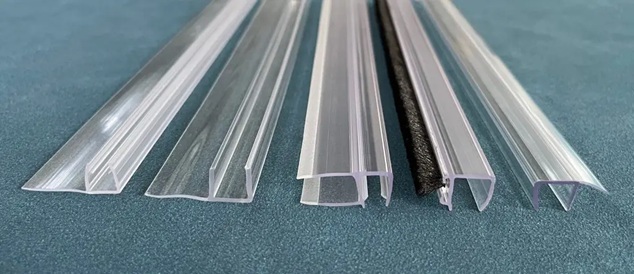
Door seals lining bathroom showers are flexible, water-resistant strips. Despite their unassuming appearance, consisting of a combination of plastic or silicone casings and magnetic cores, shower door seals play an outsized role in keeping bathrooms clean, dry and safe. Key roles include:
- Water containment: With fins or “sweeps” extending from the bottom or side of glass doors, seals close gaps between the door and the floor or adjacent wall. This prevents splashes and running water from pooling on the bathroom floor, instead guiding it back into tubs and showers.
- Hygiene and preventing mould buildup: By sealing showers and tubs, door seals keep bathrooms dry. These simple strips prevent water and moisture from seeping into porous materials like grout lines, bathroom mats and subflooring. Moreover, by limiting water in areas like wall cavities or door tracks, seals also prevent mould. This can cause or worsen health issues and, if left unattended, can lead to decay in wood, wall insulation and brickwork.
- Protection and safety: Seals ensure bathroom safety by redirecting splashing water back into shower trays and tubs, thus preventing the likelihood of slips and falls. Moreover, a correctly installed shower door seal prevents friction between glass and metal components and lowers the risk of chips, cracks and shattering. As such, they additionally facilitate shower door opening and closing, particularly seals fitted with magnetic strips.
- Aesthetics: Modern bathrooms often feature standalone porcelain bathtubs, textured and tinted shower glass or minimalist wall panels. While door seals may not stand out visually in the same way, they do ensure clean, minimalist lines in frameless glass showers, standing hidden in the background.
Common Types
Not all shower doors are the same. Neither are the seals that line them. Common examples include:
- Bottom sweeps: These attach to the bottom of the shower door and come with one or more fins or sweeps to catch and channel spraying water inward. Single or multi-fin sweeps provide varying degrees of leak protection and can be adjusted to accommodate uneven glass door edges. Another variant of the bottom sweep design, drip rail sweeps, includes a slanted drip rail to redirect water back into tubs and trays.
- Vertical or side seals: These seal the sides of the shower door adjacent to walls. There are two common types: F-shaped seals with a rigid section that snaps onto the glass and a soft overlaying fin that sits against the wall or wall panel; and bulb seals fitted with compressible bulbs that press against the walls or frames for a watertight seal.
- Magnetic shower seal strips: These are frequently found in showers with swinging double or frameless doors. Embedded with magnets, they allow doors to snap together with a satisfying click. They provide good leak protection, a clean, seamless fit with frameless doors, reduced sagging and easy, slide-on installation.
Why Seal Materials Matter
Seal materials matter because they form the crucial barrier against leaks. Materials impact water resistance, durability and hygiene. Key options in this context are silicone, vinyl and polycarbonate.
Choose silicone for its high flexibility and plasticity, softer cushioning and good temperature resistance. Or spend less on vinyl seals without sacrificing water-resistance or aesthetics. These are offered as pliable, transparent strips that are easy to install and provide decent cushioning. Rigid PVC is a more durable vinyl variant, often supplied as a translucent strip attached to frameless shower doors. It has higher UV resistance than flexible vinyl strips, but can become brittle with age and wear.
Polycarbonate offers high strength and rigidity and is commonly used in magnetic seals. It also performs better against yellowing and UV exposure (especially compared to vinyl) and, thanks to its durability and water-repelling properties, helps reduce mould buildup.
Choosing the Right Shower Door Seal
Key buying considerations when choosing the right shower door seals are glass door thickness, matching seals to door types, and ensuring correct gap widths for a watertight fit. Shower doors typically range from 4 to 12 mm in thickness, with 6 mm and 10 mm varieties being the most common. Seals must match the door thickness for a tight fit and to ensure they work.
The same applies to the gaps the strips need to cover. Measure the distance between the doors and shower trays to ensure you don’t buy a shower door seal that drags along the surface and prevents doors from opening and closing, or one that is too short and lets water through.
Lastly, match seals to the glass and door type for seamless functionality. Take note of whether glass edges are straight or slightly tapered. Additionally, consider seals that slide into metal frames in framed doors or those with transparent clips that easily attach to the glass in frameless shower doors.





Comments are closed.