
Contents
There’s nothing like relaxing in your own home spa after a long day. Swim spas and hot tubs have become increasingly popular as more people seek the comfort and luxury of spa treatments in their own homes. These amenities offer relaxation, therapeutic benefits, and a personal retreat from daily stresses.
However, like any other home appliance, spas and hot tubs require regular maintenance and occasional professional spas repair to keep them functioning efficiently and in top condition.
What Usually Goes Wrong with a Hot Tub?
Water Quality Problems
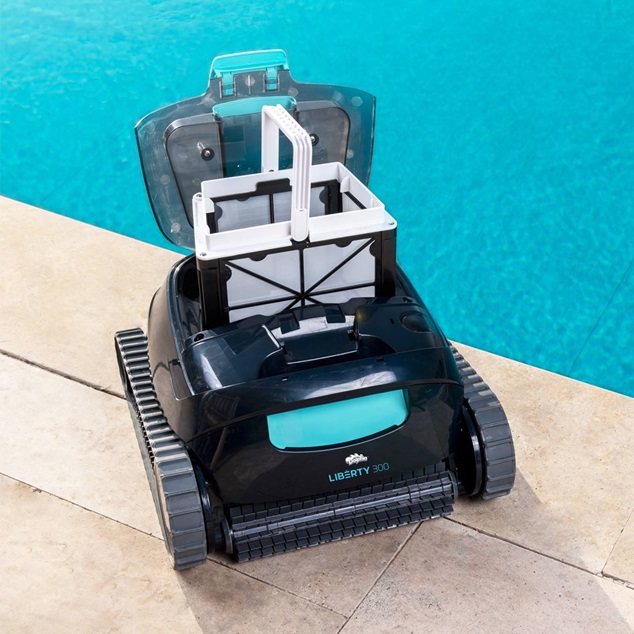
One of the most common issues spa and hot tub owners face is water quality problems. Cloudy water, unpleasant odours, or skin irritations are signs of chemical imbalances or contamination. These problems often arise from improper chemical levels, inadequate filtration, or organic matter like leaves and debris. Regular testing and balancing of chemicals, along with cleaning filters, can help prevent these issues.
Equipment Malfunctions
Another frequent headache for spa owners is equipment malfunctions. Heaters that don’t heat, jets that don’t jet, and pumps that don’t pump can all disrupt your spa experience. These issues might be due to worn-out parts, electrical problems, or blockages. Identifying the root cause early can save you from bigger repairs down the line. Listen for unusual noises, look for error codes on your control panel, and check for visible wear and tear.
Pump and Motor Issues
The pump and motor are the heart of any hot tub, responsible for circulating water and providing the necessary jets. Over time, these components can wear out, leading to reduced performance or complete failure. A noisy pump can indicate worn bearings or a failing motor. Faulty seals or cracks in the pump housing can cause leaks and clogged filters or impeller issues may result in low water flow.
Heater Problems
The heater ensures the water in your spa or hot tub remains at a comfortable temperature. Heater failures can stem from thermostat malfunctions. Incorrect temperature readings can lead to overheating or insufficient heating. Scale buildup or corrosion can reduce efficiency and incorrect flow readings can prevent the heater from operating.
Control System Failures
Modern spas and hot tubs feature sophisticated control systems that manage various functions, including temperature, jets, and lighting. Issues with these systems can range from simple display errors to complete control board failures. Display malfunctions are often caused by water damage or electrical faults while unresponsive controls may result from software glitches or hardware issues.
Structural Issues
Structural problems, such as cracks or leaks, can also pose significant challenges. Leaks can not only waste water but also cause damage to the surrounding area and increase your water bills. Over time, even small cracks can grow, leading to more extensive damage. Addressing these issues promptly is essential to maintaining your spa’s integrity and avoiding costly repairs.
DIY vs. Professional Repairs
DIY Repairs
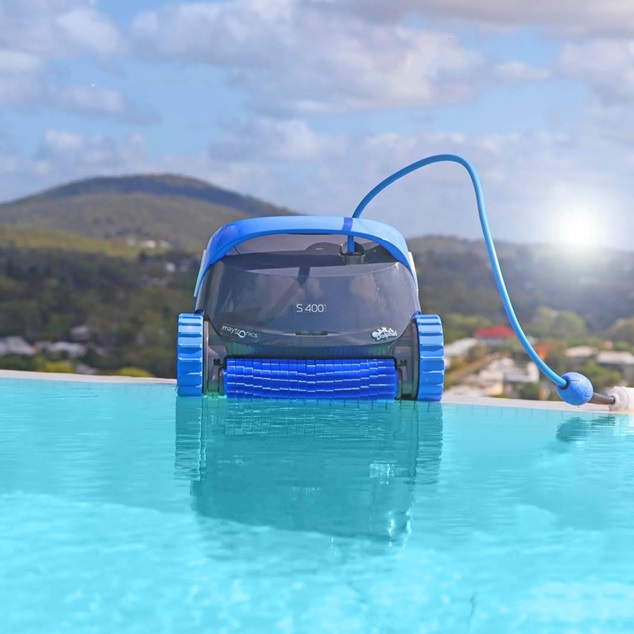
For the handy home owner, some hot tub repairs are manageable without professional help. Simple fixes, like adjusting chemical levels or replacing a filter, can be done with basic tools and a bit of know-how. It’s essential to follow the manufacturer’s guidelines and use the right products to avoid causing further damage. Keeping a maintenance log can also help you track what’s been done and when.
Professional Spa Service
However, not all repairs should be attempted on your own. When it comes to more complex issues, like electrical malfunctions or significant structural damage, it’s best to call in the professionals. Experienced technicians have the expertise, tools, and training to diagnose and fix problems efficiently and safely. Professional spas repair and service also often come with warranties, providing peace of mind that the job has been done correctly.
Choosing the Right Spa Repair Service

When selecting a spa repair service, several factors should guide your decision.
- What to Look For: First and foremost, look for technicians who are qualified and certified to work on your specific spa model. Experience is another crucial factor; seasoned professionals are more likely to have encountered and resolved a wide range of issues.
- Customer Reviews and Testimonials: Reading customer reviews and asking for references can provide insight into the quality of service you can expect. Positive feedback from other spa owners can reassure you that you’re making the right choice.
- Service Guarantees and Warranties: Lastly, pay attention to the service guarantees and warranties offered. A reliable spas repair service should stand by their work, offering guarantees that give you confidence in their work and maintenance services.
Maintenance Tips to Prevent Repairs
Preventative maintenance is the key to avoiding frequent repairs and ensuring your spa, swim spa, or hot tub remains in excellent condition.• Regular Cleaning and Chemical Balancing: Keep your spa clean and chemicals balanced to maintain water quality.• Routine Equipment Checks: Regularly inspect your spa’s equipment for signs of wear and tear.• Seasonal Maintenance Routines: Perform thorough checks and maintenance at the change of seasons to prepare for different weather conditions.
Takeaway
In conclusion, keeping your spa in top shape requires a mix of regular maintenance and timely repairs. Whether you tackle minor issues yourself or call in professionals for more complex problems, staying proactive about spa care will ensure you enjoy a hassle-free, relaxing spa experience. Don’t let small issues turn into big headaches—keep your spa sparkling and functional, ready for you to unwind whenever you need.


Comments are closed.