
Contents
Are you dealing with a tree that’s damaged, diseased, or threatening your home in any way? What once added shade and beauty can quickly become a hazard to your home and garden. Once you understand when removal is the safest choice, how the process works, and what comes after, you can protect your property while keeping your outdoor space happy and healthy.
When Is Tree Removal Necessary?
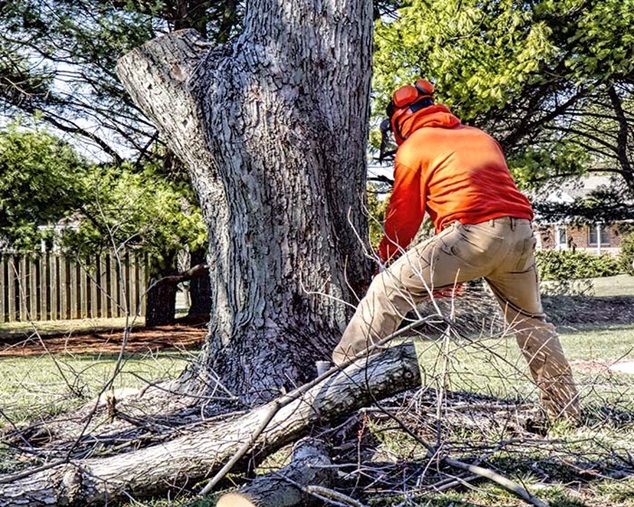
Trees are beautiful to have around your home. They bring shade, fresh air, and natural beauty to your yard, and removing them should always be a last resort. Still, there are times when taking one down is the safest choice. Learning how to spot the signs yourself can save you money, help you decide when to call a professional, and protect your property from bigger problems.
Dead or Dying Trees
A dead tree isn’t just unpleasant to look at. In fact, its appearance should be the least of your worries if you have one near your home. Weak branches or a collapsing trunk can damage your property or, even worse, hurt someone nearby.
So, if you notice brittle leaves, peeling bark, or fungus, it’s best to call professional tree felling services to help you with your situation. They will either safely remove the tree or, in scenarios where it’s not too late, even help you save it.
Diseases
Diseases can weaken a tree quickly, sometimes leaving it past the point where saving it is possible. In this case, leaving the tree as is can also ruin your other plants. Tree removal experts suggest removing the tree early to keep the rest of your landscape healthy.
Proximity to Nearby Structures
As much as we respect and value nature, we also have to recognise that our living space is limited. Making the most of it means balancing nature with the need to build safe, functional homes. Sometimes, that balance requires making difficult choices such as removing a tree.
Tree cutting is necessary when the roots start cracking sidewalks and threatening your foundation. Branches brushing against your roof or power lines are another hazard. If trimming doesn’t solve it, removal is often the safer option.
Storm Damage
If you live in an area where strong winds and lightning storms happen often, you already have an idea of how powerful they can be and what they do to trees. These natural forces can leave a tree unstable or damage it to the point that it falls suddenly, causing serious harm. Quick removal prevents further trouble.
Pests and Infestations
Insects or fungi can spread fast across your greenery. An infested tree is a risk to your whole garden. Removing it stops the problem before it gets worse.
Trees may last long, but not forever. By spotting risks early, you’ll keep your property safe. And when one tree goes, you create room for new growth and fresh possibilities.
The Tree Removal Process
Tree removal isn’t just about grabbing a saw and taking matters into your own hands. It takes planning, safety, and sometimes, for some areas, even special council permits.
The starting point should always be an assessment by a professional. An arborist will check if pruning will work and whether a tree removal is really needed. They’ll also explain the safest way to do it and give you a price offer based on factors like tree size and location.
Next are permits and local rules. Many councils require approval, a standard procedure for big trees or protected species. If you decide to go with professional tree service companies, you can expect them to handle the paperwork for you.
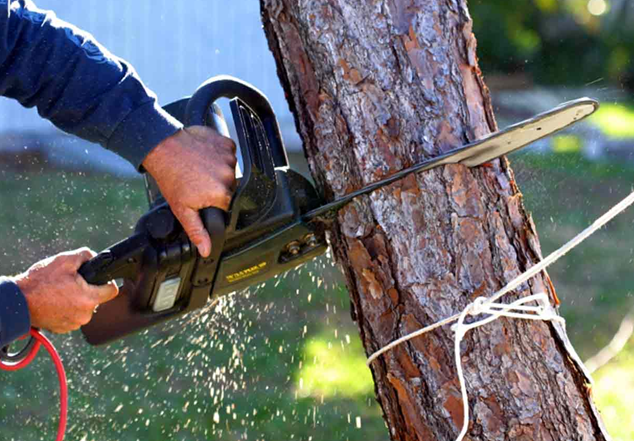
And finally, there’s the removal itself. Crews use proper gear to safely cut the tree down in sections. Most services include cleanup, and you can ask to keep mulch or firewood. For stumps, you can choose full removal if you want to replant, or stump grinding as the easy fix.
Getting It Done Professionally
Trying to remove a tree on your own is not recommended in most cases. Without the right skills or gear, branches can fall the wrong way, damage your property, and even injure you. Professional crews have all the knowledge and the right equipment like harnesses, ropes, and chainsaws, to make the job safe and controlled.
Certified arborists look at the bigger picture, and with their experience, they can see potential issues you might not even notice. They’ll check the health of your tree, decide if pruning is enough, or confirm if removal is the only option. Many also take an eco‑friendly approach, recycling wood or turning branches into mulch.
By hiring professional tree felling services, you’re getting the tree down and all while choosing to protect your home, your safety, and the rest of your garden. You’ll also get peace of mind knowing the work is done properly and with care.
Steps To Take After Tree Removal
You may think the job is done after the tree is taken down, but what happens after is just as important. There are a few options for what comes next, and the right choice really depends on your plans and what works best for the space.
Stump Removal or Grinding
Once the tree is gone, you’ll need to deal with the stump. A full tree removal service also covers digging out the roots, which may be the best option if you plan to replant, but it usually takes more time and effort. Grinding, on the other hand, is quicker and cheaper. It’s done by using a machine to turn the stump into mulch below ground level.
Tree Replacement and Care
If you still want a tree on that spot, you can plant a new one. Think about what suits your space based on the climate, soil, and sunlight. Plant it properly, add mulch, and water it well while it settles in. Regular care, such as pruning and checking for pests, will help your new tree grow strong and healthy.
By knowing when removal is necessary, how the process works, and what to do afterwards, you’re better prepared to keep your space safe and thriving. In the end, it’s less about cutting down a tree and more about creating room for new growth and a healthier landscape.




Comments are closed.