
Contents
Missing out on distant details can make outdoor adventures feel incomplete. Birds become tiny specks, wildlife is difficult to identify, and breathtaking landscapes lose some of their impact when you cannot see them clearly. Spotting telescopes solve this problem by bringing faraway subjects into sharp, detailed focus. Offering powerful magnification and impressive clarity, these versatile optical devices allow you to enjoy nature, monitor wildlife, and explore scenic environments from a comfortable distance.
Understanding Magnification
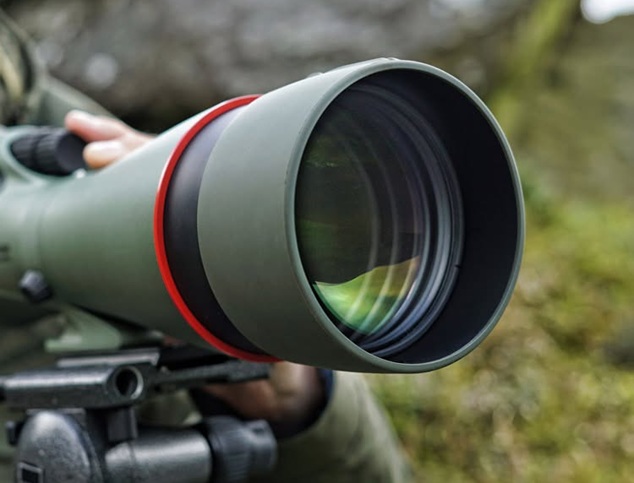
Whether you are an avid birdwatcher, a hunter, or a traveller who loves the outdoors, you can capture every detail from afar with a pro-grade spotting telescope. When choosing, magnification is one of the most important features to consider because it determines how close distant objects appear.
Spotting scopes are commonly available with variable zoom ranges, such as 15-45x, 20-60x, or similar configurations, allowing users to adjust the level of detail depending on the viewing situation. A 20x setting makes an object appear twenty times closer than it would to the naked eye, while 60x offers an even more detailed view of distant subjects.
However, higher magnification is not always better. As you increase the zoom, the field of view becomes narrower, making it more difficult to locate moving subjects like birds or wildlife. Higher settings can also amplify vibrations and reduce image brightness, especially in low-light conditions. For this reason, many experienced users begin at a lower magnification to locate their subject, then gradually zoom in for closer inspection.
The Importance of the Objective Lens
The objective lens is the large lens positioned at the front of a spotting telescope, and it plays a major role in determining image quality. Its primary function is to gather light and direct it through the optical system to produce a clear, detailed image. Generally, spotting scopes are available with objective lens sizes ranging from around 50mm to 100mm, with larger lenses collecting more light.
A larger objective lens offers several advantages. It produces brighter images, particularly in low-light conditions such as early mornings, late afternoons, or overcast days. This extra brightness can make it easier to identify wildlife, distinguish colours, and spot fine details at greater distances.
However, bigger is not always better. Larger objective lenses usually make the spotting scope heavier and bulkier, which can be less convenient for hikers and travellers who prioritise portability. Smaller objective lenses, while collecting less light, are often lighter and easier to carry on long outdoor adventures.
Lens Coatings and Optical Quality
Lens coatings play a crucial role in the performance of a spotting scope. Every time light passes through a lens, a small amount is reflected away instead of reaching your eyes. Special coatings are applied to lens surfaces to reduce this reflection, allowing more light to pass through the optical system. The result is a brighter, sharper image with improved contrast and more accurate colours.
Spotting telescopes may feature coated, fully coated, multi-coated, or fully multi-coated lenses. Generally, fully multi-coated optics offer the best performance because multiple layers are applied to all air-to-glass surfaces, maximising light transmission. This can make a noticeable difference when viewing in low-light conditions or trying to distinguish fine details at long distances.
Optical quality extends beyond coatings alone. High-quality glass and precision engineering help minimise distortion, reduce colour fringing, and produce a clearer image across the entire field of view. Better optics can also reduce eye strain during extended observation sessions.
Image Quality
Image quality is one of the defining characteristics of a good spotter scope. Even with high magnification, a scope is only as useful as the clarity of the image it produces. Sharp, bright, and detailed images make it easier to identify birds, observe wildlife, and appreciate distant scenery without eye strain.
Several factors influence image quality. Lens coatings and premium glass improve light transmission, resulting in brighter images and better colour accuracy. High-quality optics also minimise issues such as chromatic aberration, which appears as coloured fringes around objects, and distortion that can make images look soft or blurred.
Brightness is equally important, especially when using a spotting scope in low-light conditions. A scope that gathers more light can reveal finer details during dawn, dusk or overcast weather. Contrast also plays a major role, helping subjects stand out from their surroundings and making it easier to distinguish textures, markings, and subtle colour differences.
Another factor to consider is edge-to-edge sharpness. Quality spotting scopes should maintain a clear image across the entire field of view rather than becoming blurry around the edges.
Portability
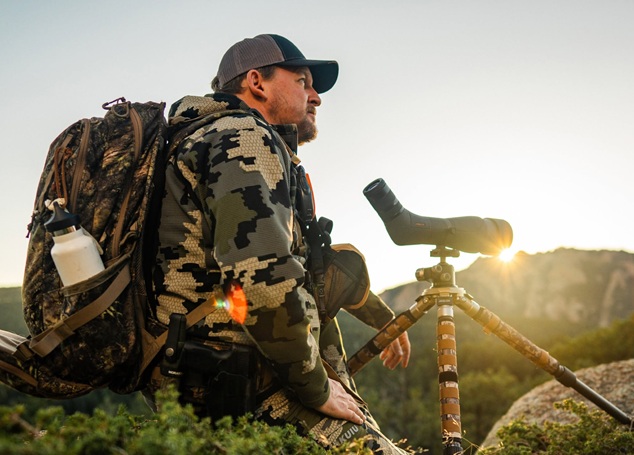
Portability is an important consideration when choosing, particularly for hikers, travellers, and birdwatchers who spend long hours outdoors. While larger spotting scopes often deliver brighter images and greater detail, they can also be heavier and more cumbersome to carry.
Compact and lightweight models are easier to pack into a backpack and transport to remote locations. They are ideal for people who frequently move between viewing spots or enjoy activities such as hiking, camping, and wildlife photography. A portable spotting telescope can also be set up more quickly, allowing you to capture fleeting moments in nature.
However, portability often involves finding the right balance between size and performance. Smaller models may sacrifice some light-gathering ability, while larger scopes provide superior viewing but require more space and a sturdier tripod.


Comments are closed.