
Contents
If you are someone who cares about their driving experience, then you must pay a lot of attention to your car and all its parts. You may be looking for ways to soundproof your car, but if you really want to ensure a safe and pleasant car ride in various conditions, you need to make sure your windscreen is clean at all times. That’s easy, right? Or maybe not?
Make sure you know what to do if the washer fluid is not spraying, it remains constantly low or you notice fluid leaks from below the car. All of these may be signs that it’s time to get a new windshield washer reservoir. Even though it’s not a part that typically wears over time, it deserves proper care and attention because if it’s not fully functional it is critical to your safety.

Like any other car part, it can fail ahead of its designated service and that’s why it’s important to know what is it, where is it located in your car, how does it work and how to repair or replace it when the time comes.
What is a Windshield Washer Reservoir?
Made of tough, polyethylene plastic, it’s designed to hold the washer fluid that keeps the windshield free of debris and dirt. The washer pump takes up and transports fluid from the reservoir to the nozzles. Then the windshield washer nozzle sprays the fluid onto your windshield and the wipers clean the debris off. A washer pump can keep you safe as debris can obscure your vision while driving, so you need to make sure it’s always in a good condition.
The reservoir can handle many types of environments, but you need to make sure it always has washer fluid in it. Because when the washer fluid runs out and the reservoir stays dry for a long time, the plastic walls crack as they begin to deteriorate from the inside. Also, as your vehicle vibrates, it can loosen the bolts that hold the reservoir and the mounting holes may break over time.
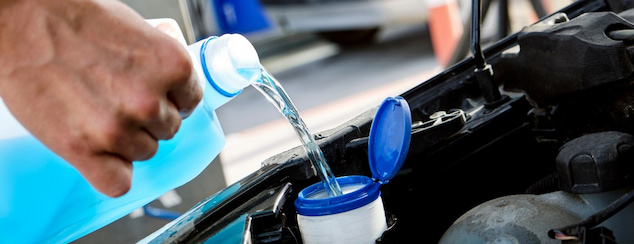
Any of these abovementioned situations can create holes that will cause your windshield reservoir to fail and it will not be able to carry any washer fluid. When a windshield washer reservoir is damaged or breaks, there will be a few warning signs or symptoms that will alert you.
Recognise the Symptoms of a Damaged or Broken Washer Reservoir
Washer Fluid Not Spraying onto the Windshield
The pump is the heart of your windshield washer system. And you should always listen to the heart because when the system is engaged and the pump is running, but there is no fluid spraying on your windshield, then the reason may be a broken reservoir.
If water has been used instead of washer fluid, the reservoir may have developed mould, especially near the exit port. Unfortunately, if that’s the case, it’s impossible to remove it, so make sure to contact a certified mechanic who can replace the washer reservoir and the fluid lines if necessary.
Constantly Low Windshield Fluid
If you notice the tank leaking from the bottom, from the sides or the top, then consider it yet another symptom of a damaged washer reservoir. When the tank is damaged or cracked, the fluid will leak even if the system is not active. The easiest way to notice this is if you look under the vehicle and see light green or light blue fluid next to one of the front tires.
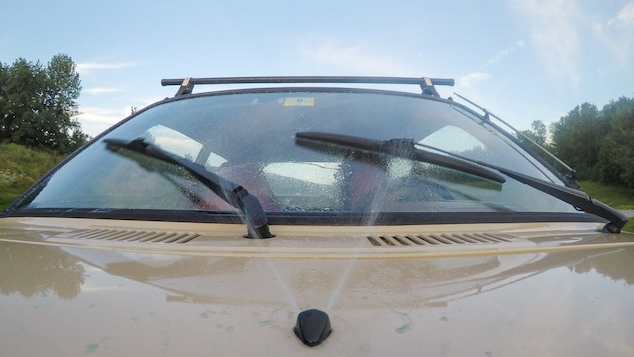
Fluid Leaks from Below the Car
This problem may occur in older vehicles that have the windshield fluid reservoir mounted close to the vehicle exhaust systems. The reason is that over a period of time, the intensive heat may cause cracks in the reservoir and develop a leak. But this is not the most common cause of fluid leaks from below the car. Instead, it’s due to the owner or mechanics putting water inside the reservoir and not washer fluid.
The water inside the washer reservoir freezes when the temperatures get below zero and it causes the plastic to harden and crack eventually. This can cause water to leak from it until it’s empty and if you try to turn on the washer pump, it can easily burn out and will have to be replaced as well. To prevent this, it’s important to always fill the windshield reservoir with washer fluid only.
Cracks in the Tank
During routine service, most local shops fill up the windshield fluid as a courtesy. Very often, the technician will inspect the tank as well, for physical damage such as cracks. And if your windshield washer is cracked, it will need to be replaced. Make sure it’s done immediately as cracks usually cause the fluid to leak.
The best thing to do if you notice any of these symptoms is to contact a certified mechanic as soon as possible. Let them inspect the system, diagnose the problem and fix or replace what is damaged or broken.
However, if you want to fix the problem yourself, make sure to avoid silicone sealant and duct tape as they won’t do a good job of fixing cracked plastic. High temperatures and high vibrations can make this a more difficult problem than it initially was. Replacing the windshield fluid reservoir is a different procedure on every vehicle and it lends itself to DIY-ers, but only to those with previous knowledge and a lot of patience.



Comments are closed.