
Contents
Smartwatches and vehicle trackers have a lot in common. Both rely on GPS for tracking, whether on a daily run or the drive to the nearest campsite, and both display precise coordinates with real-time data. Besides your current location, the devices additionally collect valuable information, extending their usage. Vehicle GPS trackers for instance are widely used to prevent theft, or track your loaned car and eager teen with fresh P plates. And much like smartwatches, more advanced car trackers can also do basic vehicle diagnostics when connected to your car’s OBDII port.
Vehicle Tracker Fundamentals
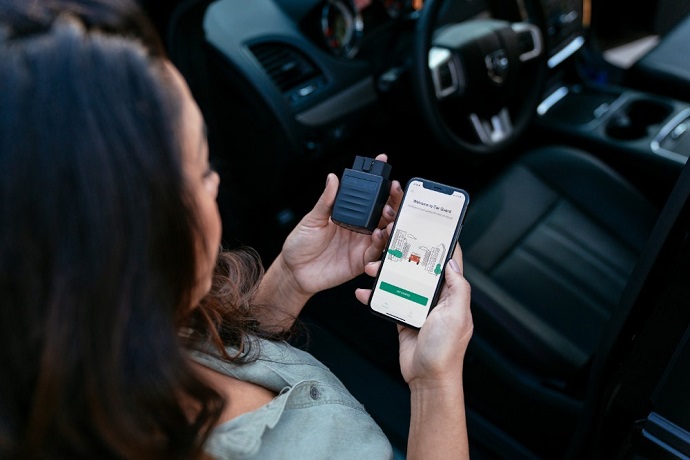
Trackers are portable transmitters that use the Global Positioning System, and a series of satellites to pinpoint the exact location of your car at any given time. They also display speed and direction with more data available through simple apps downloaded on your phone. Their main use, however, is keeping away potential thieves, or finding your vehicle (with data relayed to the Police) in the event it is stolen. While most buyers will be more than glad with this feature alone, user-friendly GPS vehicle tracking systems offer much more.
They can be lifesavers during accidents and emergencies, inform of possible tampering in parked vehicles, and help fleet owners boost productivity by monitoring vehicle and driver performance. The devices are also handy in analysing trip data, such as frequent routes or distance travelled, and most include detailed trip history.
Tracker Types
There are a few options for vehicle tracking. Devices differ in size, features, how they work, the usable data, and how they’re powered. These differences also dictate prices.
OBD-II Trackers
These connect to your OBD-II port, use this or 12V sockets for power, and are quick to get up and running. They display basic trip info such as location, current and average speed or total distance covered, but also have access to the ECU so drivers are informed of any problems, or instances of irregular activity, such as elevated fuel use or hard braking. They’re compact, portable and can be used across multiple vehicles. The only downside is that they’re easily spotted.
Hardwired Trackers
Fleet owners use hardwired trackers. These are directly hooked up to the car battery and electrical system (so they require professional installation) and can be mounted behind the dashboard to prevent tampering or accidental knocks. They provide additional data, such as the use of rear lift ramps when loading and loading goods, or PTO attachments like winches seen in tow trucks. Moreover, the trackers are streamlined for use by multiple drivers, with driver ID features aiding fleet management and asset tracking.
Battery-powered
Battery-powered GPS vehicle tracking systems are low-cost solutions, simple to install and a hoot to use. They’re the cheapest of the bunch, can be mounted anywhere along the vehicle, and have a decent build (most with IP certifications) to last in harsh conditions. Lithium-ion batteries provide a healthy dose of power, powering the tracker for months before recharging via USB ports or 12V sockets. GPS-enabled versions will require a SIM card and network subscription. The low cost, simple setup and ease of use make this ideal for
Features to Suit Your Needs
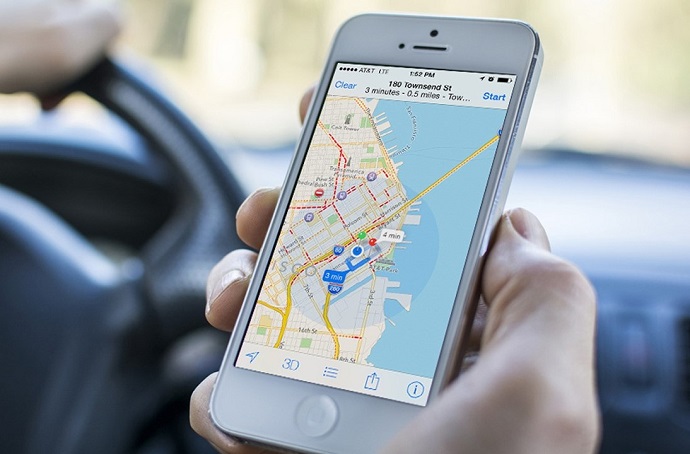
Active tracking is now commonplace in most trackers, meaning the devices relay real-time data on the whereabouts, speed and direction of the vehicle. This is achieved by set frequencies, transmitting signals to satellites every few seconds for higher precision. Besides this, other features worth your cash are:
- Alerts – trackers equipped with motion and proximity sensors can inform you that vehicles are intentionally damaged have been moved to a different location or that doors and windows are open or broken. Notifications are promptly sent via WiFi or Bluetooth to your phone or device with compatible, downloaded apps.
- Multiple frequencies and bandwidths – like smartwatches, many GPS trackers also utilise complementing satellite systems if they cannot precisely lock onto GPS. This includes GNSS, GLONASS, Beidou, Galileo and other systems. Most trackers combine two or more systems for higher location precision.
- Geofencing – users can set defined areas and boundaries and receive alerts if the vehicle leaves the set parameters.
- Battery-saving modes – user-friendly apps also give you the choice to reduce battery consumption by changing reporting frequencies. Some manufacturers call this ‘Sleep Mode’. You still get notified if the vehicle and tracker move.
- Data history – this can retrieve where vehicles have been within a defined period, Trackers have weekly or monthly logging records accompanied with relevant information such as speeds, and distance. This is a feature appreciated by fleet operators.
- Data and location sharing – you can share your location with family, friends and co-workers so they know exactly where you are – a valuable tool for parents, and tracking the movement of the elderly.
Summing Up
GPS trackers are affordable, high-tech and simple-to-use devices that let you know the precise location of any vehicle (cars, vans, trucks, boats, trailers). They’re compact, easy to install, and packed with convenient features that meet various needs. This can be company owners, employees, concerned parents and anyone concerned about their investment.


Comments are closed.