
Contents
Grooming is one of the crucial responsibilities of being a dog owner, as we are all aware, with brushing being one of the basic steps of maintaining a healthy and beautiful coat. Depending on the breed, there are differences in the type of dog brush that is appropriate for maintaining a healthy grooming routine.
Is Brushing Your Dog’s Coat Necessary?
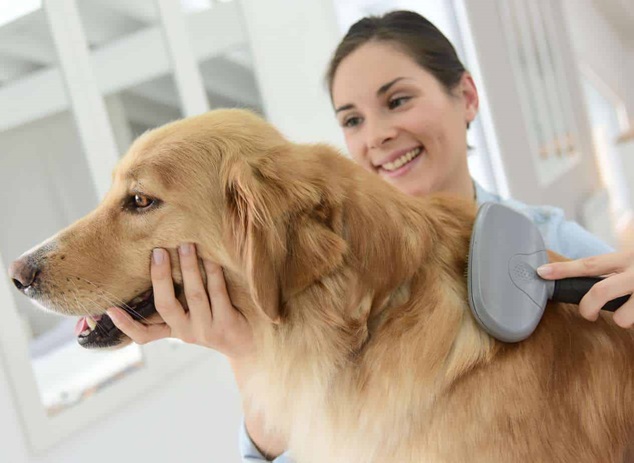
Although brushing your dog’s fur isn’t always easy, it’s essential for keeping their coat feeling and looking good. Regular brushing can prevent excessive shedding and stray hair from accumulating in your house. Additionally, you’ll reduce their likelihood of developing severe tangles and mats, which experts say can result in discomfort from skin irritation and infections that can easily turn into a more serious health issue. Furthermore, regular brushing can help you and your pet bond more strongly, and offer you more control over grooming.
What Brushes Are Best for Dogs?
There are different types, sizes and styles of grooming brushes available. They’re suitable for different textures and lengths of dog hair. Here are some tips to help you choose the correct brush for your dog’s coat type.
Check the Most Popular Grooming Brush Types
According to experts, the most popular dog grooming brushes and combs are slicker brushes, pin brushes for untangling long hair, rake combs to minimise shedding, and ordinary combs to remove any remaining tangles after the first brush. Curry combs are another item you may encounter; they help short-haired dogs with loose hairs, getting rid of them before and during bath time.
Consider Your Dog’s Coat
The kind of hair your dog has will determine which brush is best for them. Firmer, longer-lasting pin-slicker brushes work better on breeds with longer hair. Conversely, short-haired breeds require finer-toothed grooming tools that help reduce shedding, or softer pet brushes like rubber ones.
Smooth-coated Dogs
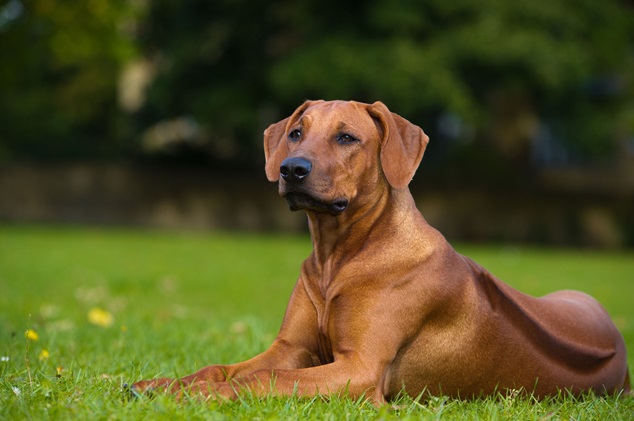
“Smooth coats” refer to the short fur close to the dog’s body. Smooth-coated dog breeds, such as Labradors, Beagles, Greyhounds, Boxers, and Rottweilers, are among the easiest to groom because their fur isn’t likely to become matted or overly long. They still require weekly grooming, though.
Because dogs with smooth coats are prone to moulting, daily brushing helps to guarantee that their coats stay lustrous and soft, living true to their name. Rubber-made brushes are some of the best for dogs with smooth coats. Also, a natural bristle brush can help maintain the health of your dog’s fur.
Double-coated Dogs
Certain canines, like Malamutes, German Shepherds, and Huskies, have double layers of fur. Their lengthier outer coat shields them from the elements and filth, while their dense, soft undercoat is an insulation. A dog with two coats needs regular brushing to remove the dead undercoat and keep the outer coat from matting.
German Shepherds with longer outer coats benefit immensely from grooming brushes like the slicker, which works well on various coat types. Because of its flexible head that follows the natural curves of your dog’s body, a slicker brush eliminates loose hairs, avoids matting, and makes your dog feel comfortable. Using this brush daily can maintain your pet’s fur feeling and looking beautiful.
Wiry Coats
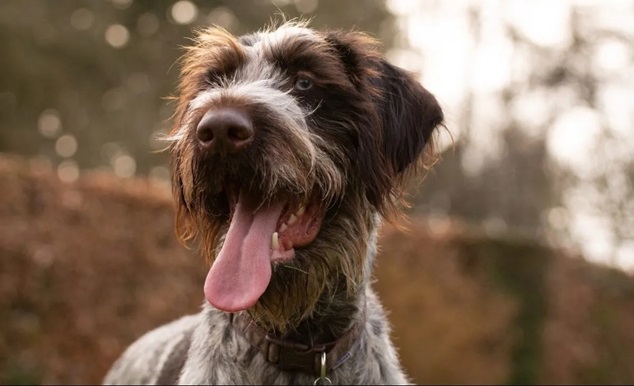
The wiry, coarse fur is the hallmark of terrier breeds, such as Fox, Border, and West Highland. And just because their coat isn’t as glossy and silky as other breeds’ doesn’t mean they require no regular grooming. Maintaining the wiry outer coat and undercoat in good condition is crucial for your dog’s comfort, as these canines have both layers of fur covering them.
Many owners prefer to keep their terriers’ coats short to minimise the need for frequent grooming because the wiry top coat can be challenging to work with. On the other hand, others decide to let their new fur grow by using a stripping knife to remove the coarse hairs from their coat.
Curly, Sleek, and Combination Coats
It’s no surprise that different dog breeds have varied coat types. Cockapoos and other cross-breeds sometimes have mixed coats, and it might take some time for a new owner to figure out how to maintain them well-groomed. Some dog breeds, like Spaniels, have sleek fur similar in texture to human hair, while other types, like Poodles and Bichon Frise, have curly, wool-like coats.
An excellent all-rounder pet brush for each of these coat types is a slicker brush. Dogs with a mix or longer fur benefit greatly from owning a Dual grooming brush. This brush’s bristle side contributes to glossiness, while its pin side keeps coats free of tangles.
Additional Grooming Tools for Dog Brushing
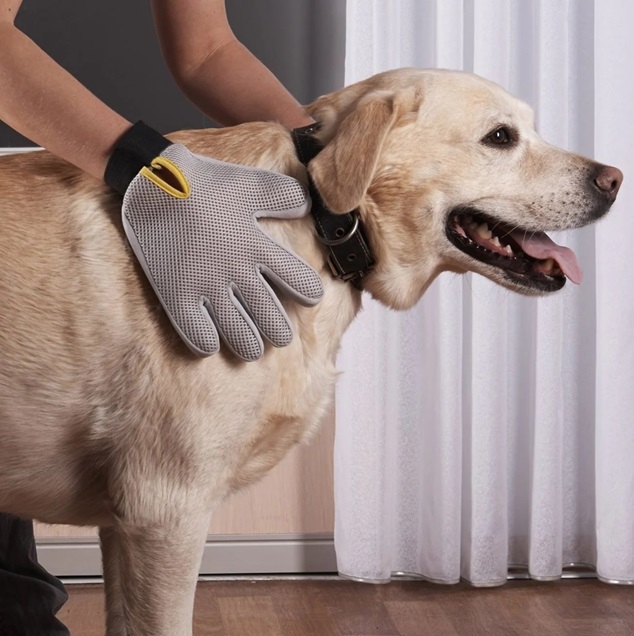
There are more tools available to you for dog grooming than brushes. Among these you have:
- Grooming gloves are ideal because they massage the skin and help remove loose hair and debris for short-haired dogs.
- Dog combs work best on long-haired dogs because they increase shine and help remove mats and knots. Wide-toothed combs, fine-toothed combs, and pin combs are among the several varieties available.
Once more, choosing a tool convenient for you and your dog is essential. You’ll find grooming more challenging and less pleasurable if the comb is painful.

Comments are closed.