
Without a doubt, dogs are the best friends of humans. They play with us, love us unconditionally and even help us when we’re sad. But like humans, dogs get affected by health issues too.
There are a lot of reasons why a dog might get ill. Some illness has to do with genetics, some depend on the current lifestyle or the place you’re living in and some issues would be caused by your actions. No matter what the reason is, it’s your responsibility to do your best as a dog parent and ensure your dog will never have that uncomfortable experience ever again.
While every animal has different issues based on its breed, age, or health, there are certain conditions that all dogs will be affected by at some point in their lives. Some of the most common health issues that dogs have to deal with in their lifetime are fleas, joint problems and parvovirus.
Joint Problems
Believe it or not, dogs can have joint problems, and unfortunately, these cases are not so rare. Bones, especially hips and elbows, are not made to last forever. And once they start to wear out, the dog’s life becomes painful. It begins to limp, or can’t walk at all.
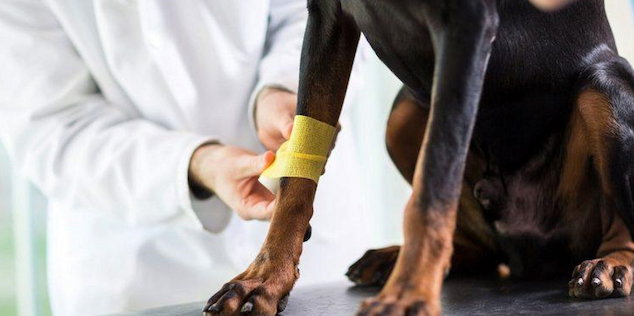
The thing that wears out in a dog’s joints is cartilage. This happens because of a hormone called glucosamine. Glucosamine keeps cartilage healthy by making sure that both sides of the joint make new cartilage at the same rate; otherwise, one side will eventually grow faster than the other and produce a deformity like a bowleg leg in humans.
These conditions are usually diagnosed by X-rays or, in some cases, an ultrasound or CT scan. A few years ago there was no treatment for this. Even nowadays, joint problems in dogs can be tricky to deal with. However, there is something you can do about them. There is a good amount of canine joint supplements and other pharmaceutical products that can protect dog well being.
Flea Infestations
Fleas are tiny, flat insects that live in the fur of dogs. They cause itching, and can, if a large number of them are present, make a dog ill. Most fleas don’t live just on dogs. They live on any warm-blooded animal that happens by. A flea will hop off the dog and get into your house, where it will live for a while on your cat or in your bed or even in your hair.
As we may know, dogs have very keen senses of hearing and smell so one would think that they might be able to smell fleas. However, the way that dogs can sense fleas is by feeling an intense itch from the flea saliva, which makes the dog uncomfortable.

Although fleas are the most common parasite in dogs, they are also the easiest to control. There are many flea products on the market, but some work better than others.
For a dog infested with fleas, there are two dog care choices: a pill or a flea bath. The pill kills only adult fleas; it does nothing for their eggs or larvae. The flea bath will kill all three stages, but requires frequent applications and leaves the dog smelling of dog shampoo for weeks afterwards, which is not a bad thing if it solved the problem already.
Parvovirus In Dogs
Parvovirus can affect dogs of all ages and breeds, but puppies between 6 and 20 weeks of age are most commonly infected. Parvo is a viral disease that is highly contagious and can spread easily from dog to dog by direct or indirect contact. The virus affects the dog’s gastrointestinal tract, causing severe vomiting and bloody diarrhea. This leads to dehydration, electrolyte imbalances, and sometimes death.
Parvo symptoms usually appear 3 to 5 days after infection, and the most common symptoms are severe vomiting and bloody diarrhea. You may also notice your puppy going to the bathroom more frequently than usual.
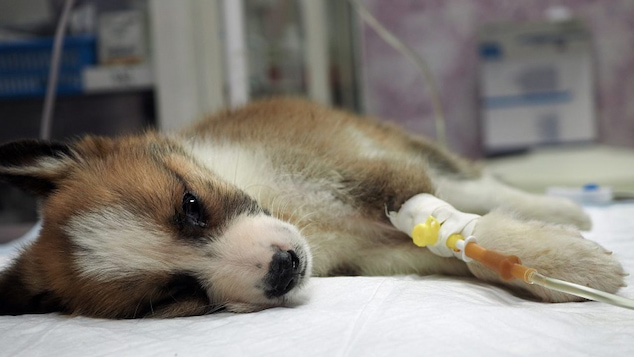
Treatment is based on supportive care, so the symptoms are treated rather than elimination of the virus itself, and is aimed at keeping the dog alive until its immune system has produced enough antibodies to fight off the virus.
However, the best way to prevent parvo is by vaccination at six weeks and then again at 12 weeks. Your vet should also vaccinate your puppy against distemper and hepatitis as well at these times. Even after this initial vaccination, puppies should continue to have booster shots every three months until they reach 15 months old.
When to See a Vet?
Our dogs cannot tell us how they are feeling; they cannot even tell us what is wrong. It’s up to us to pay attention to them and figure it out.
One of the signs that your dog might be sick is that he doesn’t seem like himself. He may be quieter or more active than usual, more playful or less playful. If he has become skittish or aggressive, if he has lost his appetite or is vomiting or having diarrhea, if he seems off balance or wobbly when he walks, if his eyes look painful, if his ears seem drier than usual…any of these could be signs of illness.
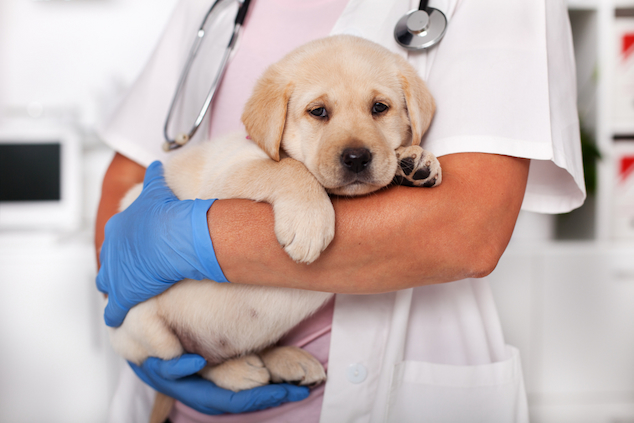
Still, don’t panic, but don’t wait for your dog to get worse before taking him to the vet either. Even when successful, treatment may take a long time and require frequent rechecks and follow-ups, so make sure to make some vet appointments now and then.
To Sum Up
When it comes to dog well being, there’s no way you can prevent every health issue your dog will ever face, but arming yourself with the right knowledge of dog health and understanding what your pet is going through is a tremendous help. Chances are, you will at some point encounter one of the health issues listed above. Knowing the signs in advance can help you minimise the damage and ensure that those smaller problems don’t turn into large-scale issues.




Comments are closed.