
Contents
The pot you choose does more than just hold your plant. The pot shapes how well the plant grows, how often you need to water, and how easy your whole plant routine feels.
If you’ve ever dealt with droopy leaves one week and soggy soil the next, your pot might be part of the problem. Most people end up choosing between two options: self-watering and regular pots. Both can work beautifully, so you just need to know what suits your plants and your lifestyle.
What Are Self-Watering Pots?
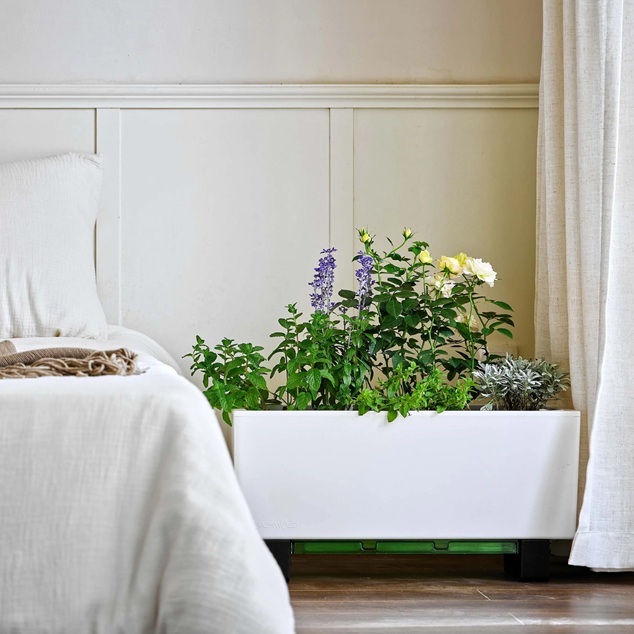
Think of these pots as a bit of backup for you, and a bit of independence for your plant. Instead of watering from the top every few days, you fill a reservoir at the bottom. From there, the plant draws up exactly what it needs, when it needs it.
How They Work
Inside the pot, there’s a hidden water chamber. A wick or similar system pulls water up into the soil as it dries out.
So rather than guessing when your plant is thirsty, the system keeps things nicely balanced. You’re not constantly checking the soil. You’re topping up the reservoir now and then and letting the pot handle the rest.
Why People Love Them
Once you start using them, a few things stand out straight away:
- You don’t need to water nearly as often
- The soil stays evenly moist instead of swinging between dry and soaked
- Your plants tend to look healthier with less effort
If you’ve ever forgotten to water for a few days (or more), self-watering pots can help keep your plants alive and thriving.
What Are Regular Pots?
Regular pots are the ones you’ve probably used forever. No hidden systems, no extras—just a pot, some soil, and your watering can.
You water from the top, the soil soaks it up, and any extra drains out the bottom. Simple, but it does rely on you staying consistent.
What You’ll Usually Find
Regular pots come in loads of styles, and the material actually makes a difference:
- Plastic keeps moisture in longer and is easy to move around
- Terracotta dries out quickly, which some plants love
- Ceramic looks great and sits somewhere in the middle
- Fabric pots let roots breathe really well
They’re easy to find, easy to use, and easy to match with your space.
Key Differences, Pros and Cons
This is where things start to matter in your day-to-day plant care.
Watering
Self-watering planters take the pressure off. You’re not tied to a strict schedule, and your plant won’t suffer if you forget for a few days.
Regular pots need more attention. Miss a watering, and the soil can dry out quickly, especially in warm weather.
Moisture Levels
With self-watering planters, the moisture stays steady. That consistency helps your plant avoid stress.
With regular pots, it’s more of a cycle—wet after watering, then gradually drying out. Some plants like that, but it can be tricky to get right.
Effort
If you want something low-maintenance, self-watering plant pots make things easier. You’ll spend less time checking and watering.
If you enjoy the routine—watering, checking leaves, feeling the soil—regular pots give you that hands-on experience.
Overwatering
Self-watering pots help prevent overwatering, but only if you don’t overfill the reservoir. Regular pots can go either way—it depends on your habits.
Cost
Regular pots are cheaper and widely available. Self-watering options cost more upfront, but they can save you time and effort in the long run.
Which Plants Grow Better in Each Pot Type?
Your plant’s natural preferences matter more than anything else here.
Plants That Love Self-Watering Pots
Plants that enjoy steady moisture tend to do really well. You’ll notice fewer dry patches and more consistent growth. Good options are herbs like basil and mint, leafy greens, and indoor favourites like pothos and peace lilies. These plants don’t like drying out too much, so the constant moisture works in their favour.
Plants That Prefer Regular Pots
Some plants actually need a bit of dryness between watering. For them, self-watering systems can be too much.
You’ll get better results with regular pots if you’re growing succulents and cacti, snake plants, or maybe even herbs like rosemary. These plants are used to drier conditions and can struggle if the soil stays damp all the time.
Which Is Better for Your Needs and Plants?
This really comes down to how you live and how you like to care for your plants.
If you’re busy, forgetful, or want things to be easier, self-watering systems can make a huge difference. You’ll worry less about timing, and your plants will still get what they need.
If you enjoy the process, checking in, watering, and adjusting as you go, regular pots might feel more natural. They give you full control, which can be really satisfying.
It’s also worth thinking about your space. Indoor plants often benefit from the consistency of self-watering plant pots, while outdoor plants can do perfectly well in regular pots, especially if you’re around to keep an eye on them.
Conclusion
Both options can work brilliantly—it just depends on what suits you and your plants best.
Self-watering options make plant care feel easier and more forgiving. They help keep moisture steady and take some of the pressure off your routine. Regular pots keep things simple and flexible, giving you full control over how and when you water.
Once you match the pot to your plant’s needs and your own habits, everything starts to click. Your plants look better, your routine feels smoother, and you can actually enjoy the process instead of second-guessing it.

Comments are closed.