
Contents
Ever feel like your golf shots are inconsistent, even when your swing feels right? The problem might not be your technique; it could be your grip. Golf club grips are the only point of contact between you and the club, making them a critical factor in control, comfort, and performance. Designed to provide traction, absorb shock, and accommodate different playing styles, the right grip can significantly enhance your accuracy and confidence.
Types to Look for
Whether you’re battling sweaty hands, slipping clubs, or inconsistent shots, grip smarter and swing better with pro-quality golf grips. With numerous options available, understanding the different types will help you find the perfect match for your playing style and specific conditions.
Rubber Grips
Rubber grips are the most common golf option, valued for durability, affordability, and all-weather performance. Their textured patterns enhance traction, making them a low-maintenance choice for players seeking reliability. Beginners and casual golfers favour them for providing a balanced feel.
Corded Grips
Corded grips blend rubber and brushed cotton fibres, creating a rougher surface for better grip in wet or humid conditions.
Many professional golfers prefer corded options for their superior control, especially during high-pressure shots. However, they can feel abrasive on the hands, so they may not be the best option for players who prefer a softer touch.
Wrap Grips
Wrap grips are designed to mimic the look and feel of traditional leather ones. They offer a smooth, slightly tacky surface that provides excellent comfort and shock absorption. These are perfect for players who prioritise a softer feel and want to reduce vibration during impact. While they are comfortable, wrap alternatives may wear out faster than other types and might not perform as well in wet conditions.
Hybrid Grips
Hybrid grips combine the best features of different materials, usually blending a soft rubber base with a corded upper section. This design provides comfort in the lower hand and extra control in the upper hand, making it a versatile option for many golfers. Hybrid grip varieties are ideal for players who want a balance between softness and traction without compromising performance.
Putter Grips
Putter grips are specifically designed for use on putters and come in a variety of shapes and sizes. They are generally larger and flatter than standard designs, helping to promote a smoother, more controlled putting stroke. Some putter types also feature ergonomic designs that reduce wrist movement, making them a great choice for players looking to improve consistency on the greens.
Understanding Golf Grip Sizes
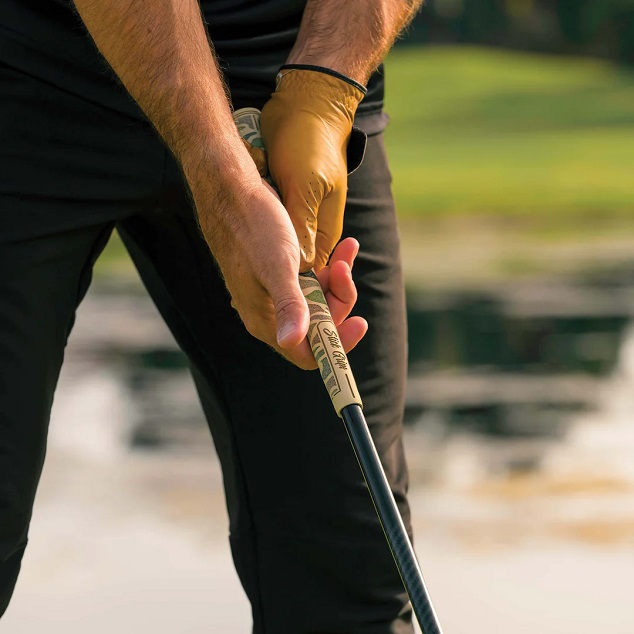
The grip size plays a crucial role in how comfortable and controlled your swing feels. Even the best clubs can underperform if the grip size doesn’t match your hands. Choosing the right size, on the other hand, helps you maintain a natural hold, improving both accuracy and consistency.
Grip sizes typically range from undersize (junior or ladies) to standard, midsize, and jumbo. Players with smaller hands often benefit from undersized or standard golf grips, as they allow for better wrist action and flexibility. On the other hand, golfers with larger hands may prefer midsize or jumbo club grips, which reduce excessive hand movement and promote a more stable swing.
Using the wrong size can lead to common issues. A grip that’s too small may cause overactive hands, resulting in hooks or inconsistent shots. Meanwhile, a grip that’s too large can restrict movement, often leading to slices or a loss of distance.
A simple way to check your fit is by holding the club naturally; your fingertips should just lightly touch your palm. If they dig in too much or don’t reach at all, it’s a sign you need a different size.
Materials Used in the Construction
Nowadays, golf grips for sale are available in a variety of materials, each designed to enhance feel, durability, and performance. The most common material is rubber, valued for its resilience and reliable traction in different weather conditions. It provides a balanced feel that suits a wide range of golfers, from beginners to professionals.
Another popular option is synthetic compounds, which are engineered to offer a softer, more comfortable grip while maintaining durability. These materials often include advanced polymers that improve shock absorption and reduce hand fatigue during long rounds.
Corded materials are also widely used, combining rubber with embedded fibres to create a rougher texture. This design improves grip stability, especially in wet or humid conditions. Some grips feature hybrid constructions, blending multiple materials to deliver both comfort and control.
Additional Features
Beyond material and size, modern grips come with a range of additional features designed to enhance performance and comfort.
Texture and Surface Patterns
Modern grip designs often feature advanced texture designs that enhance traction and control. These patterns are strategically placed to provide a secure hold, even during powerful swings or in challenging weather conditions. A well-textured grip helps prevent slipping and allows for more confident shot-making.
Moisture Management
Many grips are designed with moisture-wicking technology to keep your hands dry. This feature is especially useful in hot or humid environments, where sweat can affect your grip. By maintaining dryness, these grips ensure consistent performance throughout your round.
Alignment Aids
Some types include built-in alignment features such as ridges or subtle markings. These guides help position your hands correctly every time you address the ball, promoting a more consistent and repeatable swing. They are particularly beneficial for players refining their technique.
Shock Absorption
Grips with enhanced cushioning help absorb vibrations during impact. This reduces strain on your hands and wrists, providing greater comfort, especially during longer games. It also contributes to a smoother feel with every shot.





Comments are closed.