
Contents
Succulents have taken over windowsills, office desks, and Instagram feeds, but what actually makes a plant a succulent? And why do some thrive effortlessly while others turn mushy within weeks? The secret lies in their built-in survival system. These plants are masters of water storage, evolved to endure harsh, dry climates. Yet many plant lovers struggle with overwatering, inadequate lighting, or selecting the wrong variety for their space. Understanding how they function and how to match the right one to your environment helps solve the most common problems before they arise.
Assess Your Light Conditions First
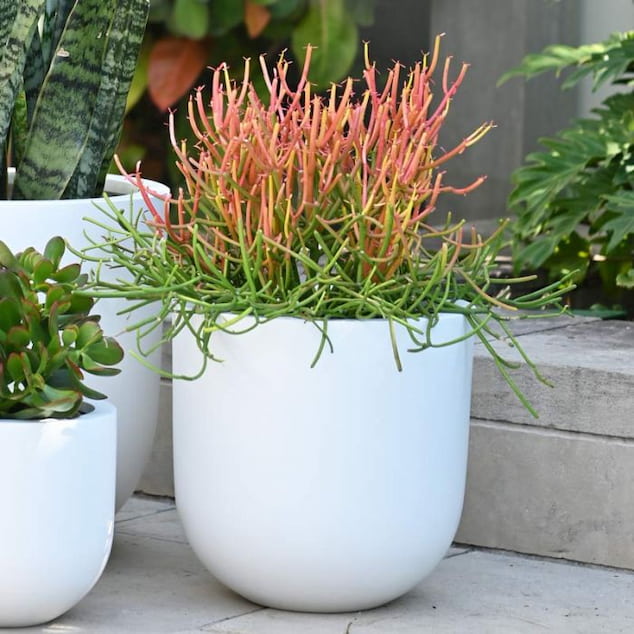
Take your indoor or outdoor space to the next level with beautiful, low-maintenance succulent plants. Before choosing, assess your light conditions carefully, as this is where most plant problems begin. Succulents are sun-loving by nature, but not all light is equal. A bright, south- or west-facing window gives intense light for varieties like Echeveria and Sedum, keeping them compact and vibrant. Without enough sun, these types stretch out and lose colour.
If you have bright, indirect light from an east-facing window, choose adaptable options like Crassula ovata or Haworthiopsis attenuata. These manage moderate light and still thrive. In low-light rooms, succulents may struggle, but a few tougher varieties might survive with much less water. Watch how sunlight moves through your space during the day. Does it flood the room for hours, or is it filtered by curtains and nearby buildings? Matching this plant’s natural habitat to your available light prevents common issues like rot, fading colour, and weak growth.
Choose Based on Experience Level
Choosing succulent plants that match your experience level can save you frustration and prevent common care mistakes. If you’re a beginner, start with forgiving varieties that tolerate occasional overwatering or missed care. Plants like Crassula ovata and Aloe are resilient, adaptable, and quick to show visible signs if something is wrong, giving you time to correct mistakes.
More delicate succulents, such as certain Lithops, require precise watering schedules and excellent drainage. These are better suited for experienced growers who understand dormancy cycles and subtle signs of stress. Rosette-forming varieties like Echeveria also demand consistent bright light to maintain their shape. Starting with hardy options builds confidence and helps you understand how nursery plants respond to light, water, and seasonal changes.
Inspect Plant Health before Buying
Before bringing a succulent plant home, take a few minutes to inspect its overall health. A strong plant will have firm, plump leaves, not shrivelled, mushy, or translucent. Gently touch the foliage; softness can signal overwatering, while excessive wrinkling may indicate dehydration. For rosette types like Echeveria, check that the shape is compact and symmetrical rather than stretched or leaning toward one side, which suggests poor light conditions.
Look closely at the base and soil surface. Yellowing leaves near the stem, black spots, or a sour smell may point to root rot. Examine the undersides of leaves for pests such as mealybugs, which appear as white cotton-like clusters. Hardy varieties like Crassula ovata should have sturdy stems and upright growth without drooping.
Pot and Soil Considerations
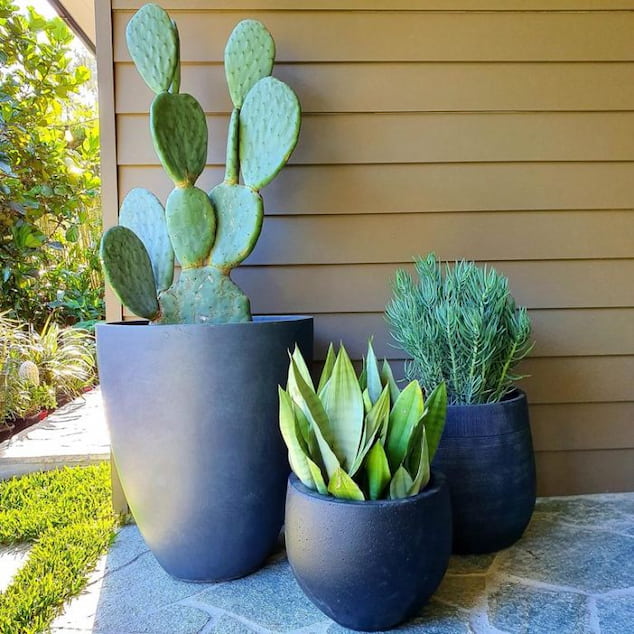
Choosing the right pot and soil is just as important as selecting the plant itself. Succulents dislike sitting in moisture, so always prioritise drainage. A pot with a drainage hole allows excess water to escape, preventing root rot, which is a common issue for water-storing plants like Echeveria and Aloe. Terracotta pots are especially beneficial because their porous material helps soil dry out faster.
Equally crucial is the soil mix. Standard potting soil retains too much moisture for succulents. Instead, choose a well-draining cactus or succulent mix that contains sand, perlite, or pumice to improve airflow around the roots. If needed, you can amend regular soil with extra grit to increase drainage.
Understand Watering Needs
Understanding watering needs is essential to keeping succulents healthy. These plants store water in their leaves, stems, or roots, which means they prefer deep but infrequent watering rather than small daily sips. A “soak and dry” method works best, so water thoroughly until it drains from the bottom, then allow the soil to dry out completely before watering again.
Overwatering is the leading cause of failure, especially for rosette types like Echeveria and drought-adapted varieties such as Lithops. Pay attention to seasonal changes. Succulents generally need more water during active growing seasons (spring and summer) and far less during dormancy. Wrinkled leaves can signal thirst, while yellow, mushy leaves often indicate too much moisture.
Indoor vs. Outdoor Suitability
When choosing a succulent, consider whether it will live indoors or outdoors, as not all varieties adapt equally well to both environments. Indoor spaces typically offer stable temperatures but limited direct sunlight. Compact, shade-tolerant types like Haworthiopsis attenuata and Crassula ovata can thrive near bright windows with indirect light.
Outdoors, succulents benefit from stronger sunlight and better air circulation, which helps prevent fungal issues. Sun-loving varieties such as Echeveria and many Sedum species develop richer colours and tighter growth when exposed to ample light. However, they may require gradual acclimation to avoid sunburn.




Comments are closed.