
Contents
While performance car parts like exhausts and air intakes open a whole new world of improved acceleration and higher top speeds, it’s the basics that keep drivers, passengers and pedestrians safe. For all-round visibility to the side and rear of the vehicle, auto mirrors still remain the essential parts in increasing awareness in basic maneuvers like reversing or merging. Newer versions of reversing mirrors additionally work with other vehicle safety systems to alert drivers of blind spots, significantly reducing the risk of accidents in areas with limited visibility.
Role of Mirrors in Traffic
There’s more to car mirrors than meets the eye. Side and interior rearview mirrors are often the first parts drivers turn to before turning the steering wheel or applying the acceleration pedal. Both types have an active role in:
- Increased visibility – rearview and side mirrors have the basic task of extending drivers’ field of vision to the rear and side of the car. They assist with merging and overtaking and provide a better view out when parking.
- Safety – rearview mirrors raise awareness of approaching vehicles from behind, cars and vehicles that are dangerously close or are driving erratically, and uncovering blind spots, either with small convex mirrors built into the side mirrors, or with sophisticated safety tech like cameras and sensors. This help reduce instances of side impact and avoid pedestrians, cyclists and motorcyclists.
- Parking and basic maneuvers – standard car mirrors and those with a wider field of view allow drivers to better judge tight parking spots by enhancing rear and side visibility. This also helps limit scratches or dents in the paintwork when backing up.
- Improved reaction times – regularly checking mirrors while driving provides drivers with vital information and time to make needed adjustments (such as changing direction or applying the brakes) to avoid imminent accidents.
New tech advancements such as auto-dimming rearview mirrors reduce instances of glare especially at night, while many new model vehicles have visual (and sometimes audible) alerts in the side mirrors, indicating approaching vehicles and traffic not visible due to blind spots.
When to Replace Your Car Mirror?
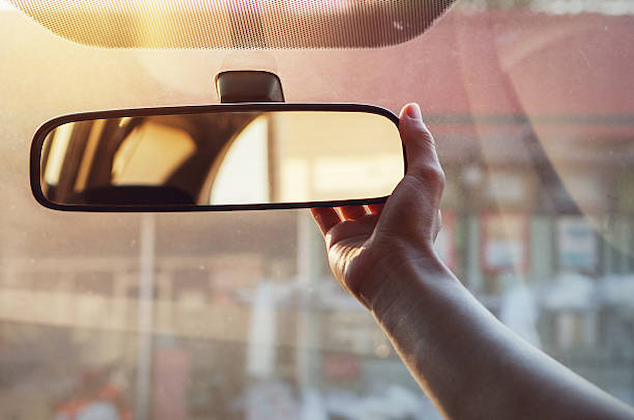
Damaged, cracked, scratched or broken mirrors aren’t of much use. They’ll obstruct your view to the side and rear and negatively impact safety. An easy solution are replacement auto mirrors, either as original equipment direct from the dealership, or as OE-replacements that are wholly compatible with your car. Both restore functionality. not only in terms of visibility. Many vehicles integrate the indicators into the side mirrors, as well as wiring for electric adjustment and heating/ demisting functionality. Timely replacements help reduce the risk of minor or major accidents, as well as getting fined or running up demerit points. Moreover, even minor accidents can void insurance claims. if your car has damaged mirrors and you’re involved in an accident, you risk invalidating insurance claims, or possibly incur injury or property damage liability if found at fault.
Features to Look for in Replacements
Depending on what you drive, mirrors can be as basic as they get, or come fully featured. When planning to buy car mirrors and working replacements, besides having your car VIN number ready to ensure model, made and trim compatibility, also consider restoring factory features, that the replacement is of the same design and size, and is made of quality outer housings (usually engineered plastics like ABS or polycarbonate) and matching, high quality glass. With that said, here are the main mirror features in today’s cars:
- Manual or electric adjustment – levers or buttons allow adjusting the glass to your seating position and field of view. Power electric mirrors also provide the convenience of simultaneously adjusting the passenger side wing mirror. Most also have a memory function to accommodate several positions, for instance in fleet vehicles.
- Heating – for cold Canadian climates, heating is one car mirror feature drivers can’t do without. Defrosting iced over mirrors is fast and simple, without damaging the glass or the housing.
- Folding – a regular feature in newer models when locking the car, power folding is useable in tight spots and protecting the mirrors from tampering. Manual folding is also a feature in lower trims.
- Integrated indicators – many vehicles, especially crossovers and SUVs, have the indicators built into the mirror housings. The higher location ensures better visibility for other traffic participants. This, along with the power function requires additional wiring.
- Sensors – parking and temperature sensors in the wing mirrors are a common feature in newer cars and trucks. This enables easier parking, working alongside cameras and vehicle safety systems to limit blind spots, and warns drivers of low temperatures and condensation obstructing your view.
Lastly, when opting for a replacement, bear in mind the variety of glass. Choose flat glass mirrors for a more lifelike representation of what’s behind you, or go with convex glass for a wider field of vision, and increased safety, especially in blind spots.




Comments are closed.