
Contents
When it comes to exploring the great outdoors in comfort, a good cooling system makes all the difference between a sweltering journey and a refreshing escape. That’s why I’m here to help you navigate the intricate world of RV air conditioners. Whether you’re a camping and caravanning enthusiast seeking an upgrade or a newbie ready to hit the road for the first time, I’ve got you covered. From cooling capacity and power consumption to installation requirements and maintenance tips, I’ll provide you with what you need to make an informed decision.
Can You Get Air Conditioning in a Caravan?
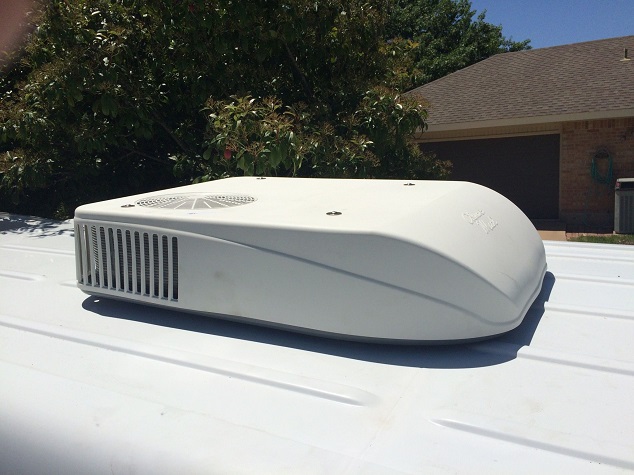
Gone are the days of sweating it out during your road trips. Now, you can enjoy the comfort of a cool and refreshing breeze right inside your home on wheels. Having a camper air conditioner makes a world of difference, especially during those scorching summer months. It’s your own personal oasis on the road, where you can escape the heat and relax in blissful coolness.
But before you rush out to purchase just any air conditioner for your caravan, there are a few things you should keep in mind. You want to make sure you choose the right one that fits your needs and the specifications of your vehicle.
Rooftop vs Built-In
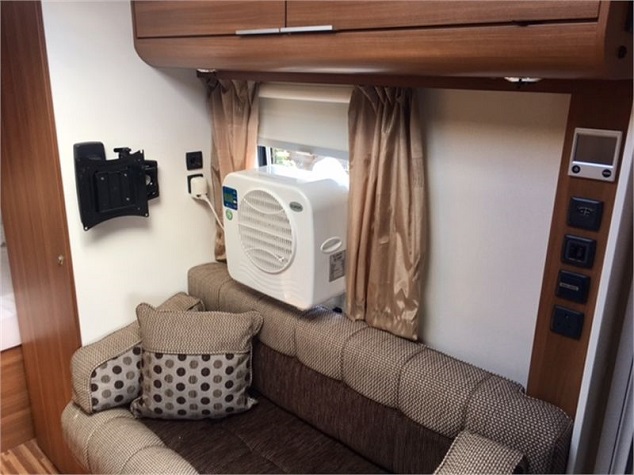
When it comes to keeping cool during your caravan adventures, you should note that there are two types available: rooftop and built-in caravan air conditioner. Rooftop units go on the roof of your caravan. They’re a popular choice because they’re usually compact and don’t take up valuable space inside your vehicle. This means you can maximise your interior space for other important things like sleeping areas or storage. Plus, rooftop units provide excellent airflow and cooling performance. Since you install them on top of your caravan, they have better access to the outside air, making it easier for them to draw in the fresh air and expel hot air. They often come with adjustable louvers that let you direct the airflow where you need it most, ensuring even distribution of cool air throughout your caravan.
Unlike rooftop units, you integrate a built-in RV ac unit into a specific location inside your vehicle, such as a cabinet or a storage compartment. One key benefit is that they’re generally quieter compared to rooftop units. They also have a sleek and seamless integration into your caravan’s interior. These units blend in with the aesthetics of your caravan, creating a cohesive look. They also often come with additional features like built-in thermostats and remote controls, so you can easily adjust the temperature and settings.
Cooling Power
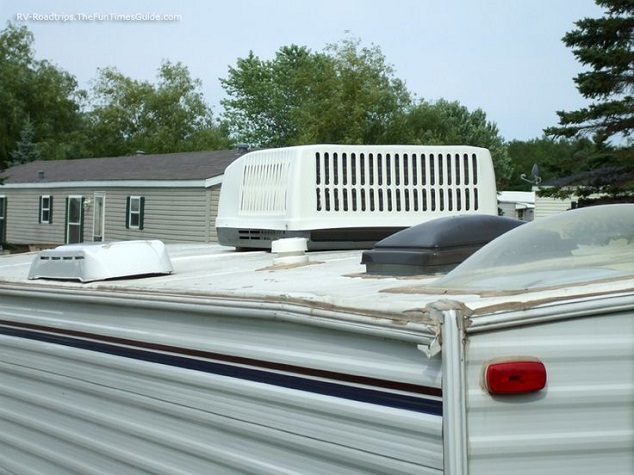
You’ll want to find a caravan air conditioner that effectively cools the interior of your caravan, no matter how hot it gets outside. Larger caravans have more space to cool, so you’ll need a unit with a higher cooling power. On the other hand, if you have a smaller vehicle, you can opt for a less powerful air conditioner.
The climate you plan to travel to is also an important consideration. If you’re going to be exploring areas with scorching temperatures, you’ll want a unit with robust cooling power to battle the intense heat. Keep in mind that energy efficiency is also something to think about. While a higher cooling power provides better performance, it might consume more energy. Finding a balance between cooling power and energy efficiency is crucial to ensure a comfortable environment while keeping energy consumption in check.
Size
Caravans come in different shapes and sizes, so finding a camper air conditioner that fits properly is crucial. You don’t want to end up with a unit that’s too big and takes up valuable space or too small and struggles to cool your entire caravan effectively. So, measure the available space where you plan to install the ac unit. Take into account any obstructions, such as cabinets or other fixtures, that could affect the installation. Once you have these measurements, you can compare them with the dimensions provided by the manufacturer to find a suitable unit that fits snugly in your caravan.
Aside from the physical size, you should also consider its weight. Caravans have weight limits, and exceeding them can lead to stability and towing issues. Check the weight specifications of the device, including any additional components required for installation, and ensure that it falls within the limits of your caravan.
How Much Electricity Does It Use?
The amount of electricity a portable RV air conditioner uses varies depending on several factors, such as its cooling capacity, energy efficiency rating, and usage patterns. It’s essential to understand the power requirements of the unit you’re considering to ensure it aligns with your setup and usage expectations.
Look for units with high energy efficiency ratings, as they consume less electricity while delivering effective cooling. These units often come with energy-saving features such as programmable timers, sleep modes, or adjustable fan speeds, so you can optimise energy usage depending on your specific needs.
Installation
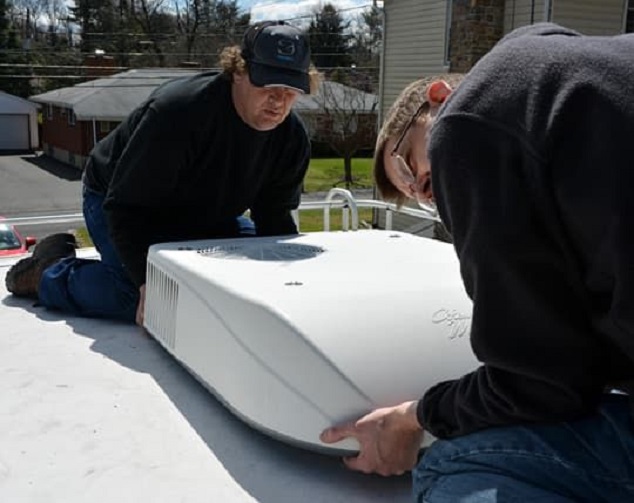
When you’re in the market for an RV ac unit, you should also consider how you can install it. The installation process varies depending on the type of unit you choose and your caravan’s specific setup. Rooftop units usually go in a dedicated opening or cutout. On the other hand, built-in models typically have a specific compartment or storage area within your caravan.
If you’re considering a rooftop unit, you’ll want to ensure that your caravan’s roof is structurally capable of supporting the unit’s weight and that there’s enough space to accommodate it. Check the manufacturer’s guidelines and recommendations regarding the installation, including any necessary reinforcements or additional support. If you’re uncertain about the installation process, it’s always a good idea to consult with a professional.
For built-in air conditioners, make sure to measure the available space within your caravan and compare it with the dimensions of the unit. Consider factors such as ventilation requirements and access for maintenance or repairs. Additionally, check if you need to make any modifications or alterations to your caravan’s interior to accommodate the unit.




Comments are closed.