
Contents
A bathtub is more than just a fixture, it’s often the centrepiece of a bathroom and a sanctuary for relaxation. Whether you’re soaking away stress at the end of a long day or scrubbing little feet after playtime, the right tub shapes both the form and function of your space.
Read more: Bathroom Design: How to Choose a Bathtub for Your SpaceBut with so many bathtubs for sale, choosing the perfect one can feel overwhelming. From sleek freestanding designs to practical alcove installations, your decision should balance style, comfort, functionality, and space.
Exploring Bathtub Types
Alcove Tubs
The most widespread and well-designed bathtub type, alcove models are designed to nestle into a three-wall enclosure. They’re a practical choice for homes with limited space and are often paired with a shower, making them ideal for family bathrooms and daily use. Their space-saving nature and straightforward installation make them both cost-effective and versatile, though they do offer less flexibility when it comes to placement.
Freestanding Tubs
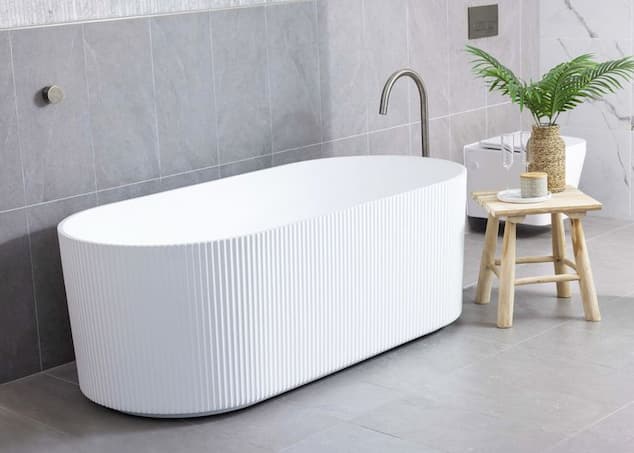
Freestanding tubs, by contrast, are a design statement all on their own. These tubs stand independently, unanchored to any wall, and often become the centrepiece of a bathroom. They’re especially popular in larger bathrooms or master suites, where space allows for a touch of luxury. Their deeper wells offer a more immersive soaking experience, perfect for unwinding after a long day. However, they tend to be heavier, more expensive and usually aren’t compatible with showers unless special fittings are added.
Drop-in Tubs
Drop-in tubs offer a hybrid option that combines visual appeal with structural integration. These tubs are installed into a pre-built frame or deck, with only the rim visible. The surround can be customised with tile, stone, or wood to match your bathroom’s décor. Drop-in tubs provide a sleek, built-in appearance, and some models allow for shower integration. On the downside, they require more space and framing work, which can add to installation time and cost.
Corner Tubs
Corner tubs are designed to fit into, you guessed it, a corner. These often triangular or angled tubs are efficient in bathrooms with unconventional layouts and can make the most of an otherwise awkward space. Despite their compact footprint, many corner tubs offer generous bathing wells, but they can feel bulky and don’t always blend easily with minimalist or modern designs.
Walk-in Tubs
For those prioritising accessibility, walk-in tubs are a smart solution. These feature a watertight door that allows for safe, easy entry and exit without the need to climb over a high wall. They’re often equipped with built-in seating, grab bars, and even therapeutic jets. While walk-in tubs provide unmatched convenience for seniors and individuals with limited mobility, they typically require specialised installation and have longer fill and drain times.
Material
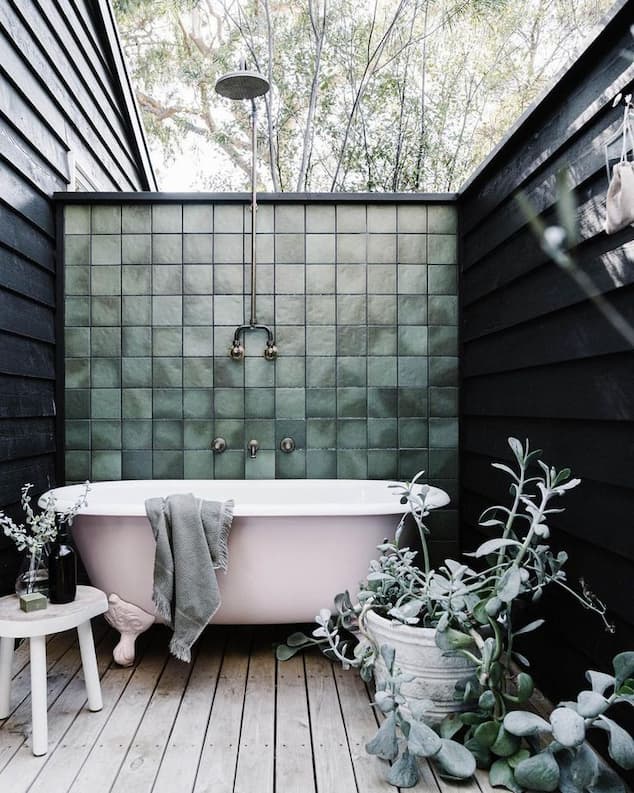
Your tub’s material affects far more than just appearance — it influences comfort, durability, maintenance, and overall cost. The right choice can enhance your bathing experience, while the wrong one might lead to frequent repairs or faster wear over time.
Acrylic
Acrylic is a favourite for many homeowners due to its lightweight nature, affordability, and excellent heat retention. Available in different shapes and colours, acrylic tubs are relatively easy to repair if scratched. They can be more prone to scratching and flexing if not well-supported.
Fibreglass
Fibreglass is the most budget-friendly option. These tubs are lightweight and easy to install, but are also the least durable. They’re more susceptible to cracking, fading, and poor heat retention, making them best suited for temporary setups or secondary bathrooms.
Cast Iron
Cast iron is the heavyweight champion of bath tub materials. Coated in a layer of enamel, these tubs are nearly indestructible and excel at retaining heat, making them perfect for long, luxurious soaks. Their classic look and feel are timeless, but they are extremely heavy and often require floor reinforcement during installation. Cast iron is typically a more expensive option, best reserved for high-end renovations.
Enamelled Steel
Enamelled steel offers a good middle ground, lighter than cast iron but still durable and reasonably priced. It retains heat well and presents a smooth, attractive finish, though it can chip and may feel cold to the touch. Solid surface materials, like cultured marble, provide a modern, seamless look. These tubs are non-porous and customisable, ideal for high-end contemporary bathrooms, though they can be heavy and susceptible to scratches.
Stone or Concrete
Stone or concrete tubs deliver unparalleled visual impact for a truly unique aesthetic. These materials offer excellent heat retention and a sense of natural elegance, perfect for rustic or high-end spa-inspired spaces. They are among the heaviest and most expensive options and require specialised installation.
Understanding Your Needs & Lifestyle
Before you buy a bathtub, pause to consider how you’ll use it.
- Primary Purpose: Is your tub for soaking, showering, or bathing children/pets? Your usage will narrow down the types quickly.
- User(s): A single person may prioritise deep soaking, while families may need easy cleaning and combined shower/tub setups.
- Bathing Habits: If you rarely take baths, investing in an elaborate model may not be necessary.
- Mobility Needs: If you or a loved one has limited mobility, a walk-in bathtub for sale may be more practical than a standard model.
- Budget: Factor in the cost of the tub itself, plus plumbing adjustments, delivery, and installation.
Assessing Your Bathroom Space
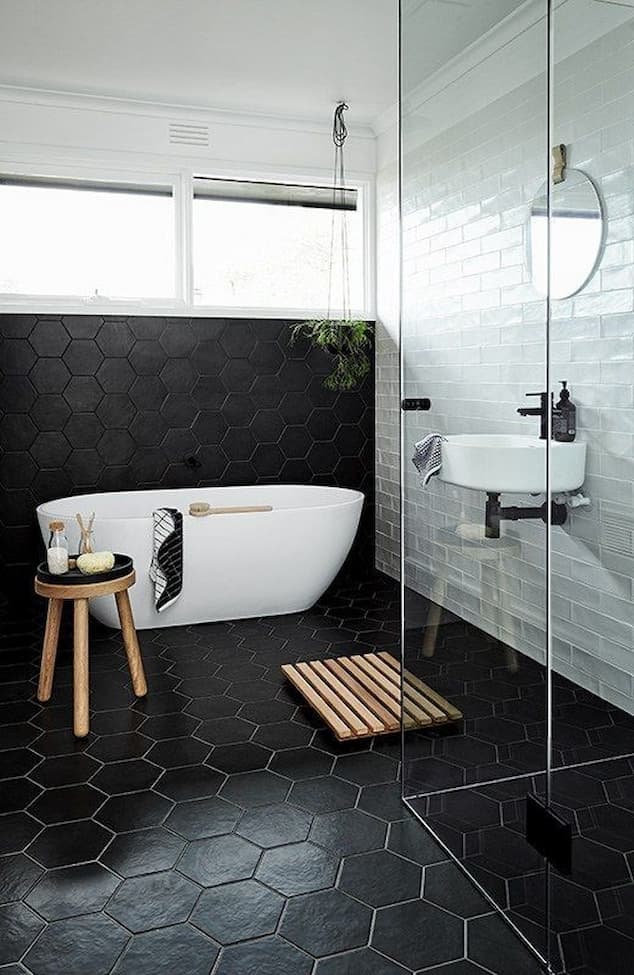
Equally crucial is assessing your actual bathroom space. Measure the available floor area carefully, including the length, width, and height. Don’t forget to account for doorways, hallways, and staircases that the tub will need to pass through during delivery. The location of plumbing lines and drains will also influence your tub choice.
Some materials, especially cast iron or stone, are extremely heavy, so your floor must be able to support not only the tub itself but also the weight of water and the bather. Lastly, think about your bathroom’s style. Your new bathtub should complement the overall design, whether sleek and modern, cosy and traditional, or luxurious and spa-like.
Where to Look and What to Expect
When browsing bathtubs for sale, look for sellers that offer detailed specifications and customer reviews. Many reputable retailers allow you to buy a bathtub online, with delivery and installation options available.
Key Tips When Shopping:
- Check the return policy, especially for online purchases.
- Compare similar models across several stores.
- Read up on manufacturer warranties.
- Look for package deals or seasonal discounts.


Comments are closed.