
Contents
For motorcycle enthusiasts like me, a reliable battery is as crucial as a good set of tires or a well-lubricated chain. But I’ll admit, I didn’t always appreciate how much that little block of power under the seat really mattered—until I found myself stranded one too many times. Here’s the story of my journey to finding the perfect motorcycle battery, along with some lessons I learned the hard way.
The Wake-Up Call: A Dead Battery on the Road

It started on a crisp Saturday morning when I decided to take my bike for a spin along a scenic route. I’d planned everything—a thermos of coffee, my favorite playlist loaded in my helmet communicator, and a route that promised winding roads and open views.
But as I geared up and hit the ignition, all I got was a weak clicking sound. My heart sank. The battery, which had seemed fine the last time I rode, had decided to call it quits. I didn’t have a backup plan, and after a frustrating hour trying to troubleshoot, I ended up calling for a tow.
That experience was enough to convince me I needed to rethink how I approached batteries for my motorcycle.
Lesson 1: Know Your Bike’s Battery Needs
The first thing I learned is that not all motorcycle batteries are created equal. I’d been guilty of assuming one size—or type—fits all, but motorcycles have specific requirements based on their make, model, and how they’re ridden.
For instance, my bike—a mid-sized touring model—requires a battery with enough power to handle long rides, occasional stops, and powering extras like heated grips. If you’re riding a lightweight dirt bike or a high-performance sportbike, your battery needs might differ.
I started researching the types of batteries available, and here’s a quick rundown:
- Lead-Acid Batteries: These are the traditional choice and are generally affordable, but they require regular maintenance, like topping up with distilled water.
- AGM (Absorbed Glass Mat) Batteries: These are maintenance-free and handle vibrations well, making them ideal for long-distance riders.
- Lithium-Ion Batteries: Lightweight and powerful, these are perfect for performance-focused bikes but can be pricier.
After some thought, I decided on an AGM battery. It struck the right balance between durability and cost for my riding style.
Lesson 2: Don’t Ignore Warning Signs
Looking back, my dead battery shouldn’t have come as a surprise. There were warning signs I’d ignored, like slower cranking when starting the engine and dimming lights when idling. I just didn’t pay attention.
Now, I make it a point to check the battery’s health regularly. A quick look at the voltage with a multimeter can tell you a lot—ideally, it should read between 12.6V and 12.8V when fully charged. Anything below that, and it’s time to recharge or replace it.
Lesson 3: Maintenance Matters
Speaking of maintenance, I realized I’d been neglecting my battery. While AGM batteries don’t need as much upkeep as lead-acid ones, they still benefit from proper care. I learned to:
- Keep It Charged: Using a trickle charger when the bike isn’t in use helps keep the battery at its best. This is especially important during winter when I ride less frequently.
- Check Connections: Loose or corroded terminals can affect performance, so I now make sure they’re clean and secure.
- Store It Properly: If I’m not riding for an extended period, I disconnect the battery and store it in a cool, dry place.
The Search for a Replacement
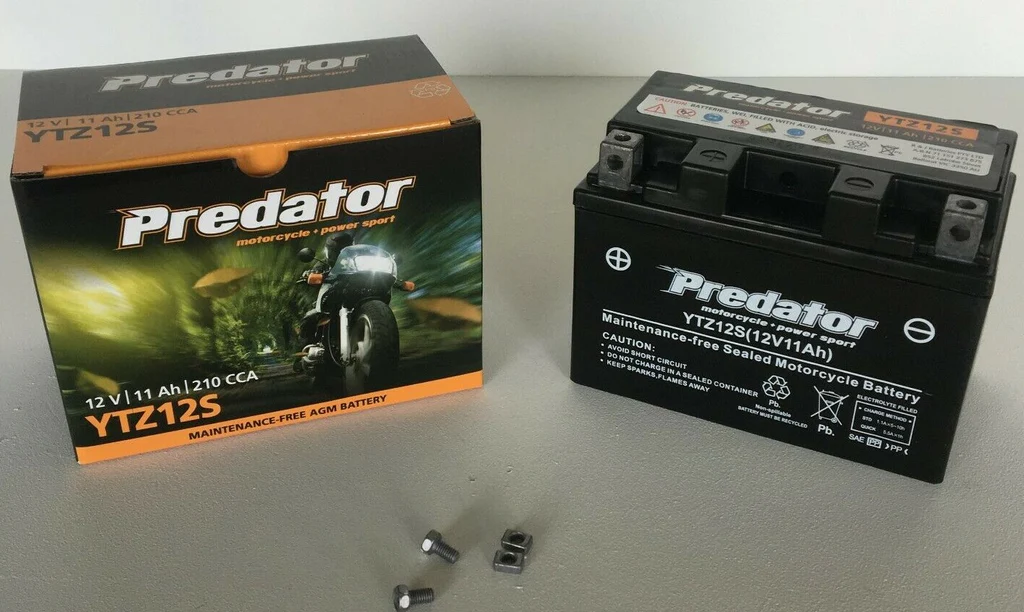
Finding a replacement battery was easier said than done. I quickly discovered that there are countless options out there, and not all of them are reliable. I ended up turning to a trusted motorcycle shop, where the staff helped me choose a battery that matched my bike’s specifications.
One tip I picked up: Always double-check the manufacturer’s recommendations. Things like voltage, amp-hour rating, and physical dimensions matter more than you’d think.
The Joy of a Reliable Battery
Once I installed the new battery, the difference was night and day. My bike started up effortlessly, even after sitting idle for a week. The lights were brighter, and I no longer had to worry about whether the battery would last through a weekend ride.
It felt like my bike had a new lease on life. More importantly, I had peace of mind knowing I wouldn’t end up stranded again.
A Few Tips for Fellow Riders
If you’re dealing with battery issues or just want to avoid them altogether, here are a few things to keep in mind:
- Invest in Quality: A good battery might cost a bit more upfront, but it’ll save you from headaches (and tows) in the long run.
- Match Your Riding Style: Think about how and where you ride. A commuter’s needs are different from an adventure rider’s.
- Carry a Backup Plan: I now keep a portable jump starter in my saddlebag—it’s a lifesaver if your battery fails when you’re out and about.
Reflecting on the Journey
Looking back, my relationship with motorcycle batteries has been a learning curve. From being stranded on the side of the road to understanding the nuances of battery care, it’s been an eye-opening experience.
Now, every time I press the ignition and hear my bike roar to life, I feel a sense of gratitude for that little powerhouse under the seat. It’s a reminder that even the smallest components can make a big difference when it comes to enjoying the open road.
So, if you’re like me and haven’t given your motorcycle battery much thought, take it from someone who learned the hard way: it’s worth the time and effort. Trust me, your future self (and your bike) will thank you.



Comments are closed.